Recovery from addiction is a process that begins with making the critical choice to stop using drugs or alcohol. When someone cuts substance use from their life, they start by removing the drug from their body, which is referred to as detoxification. Their body will react to the absence of the drugs, a process we call withdrawal.
Withdrawal from substances is difficult and can have a significant impact on a person physically, socially, and economically. Recognizing drug withdrawal symptoms is important for getting the right help. Medication and therapies, like medication-assisted treatment (MAT), help make the process safer and more tolerable.
What Is Drug Withdrawal?

When a person has been using a substance for a prolonged period of time, they develop a dependency. The body and brain grow used to this substance and start to rely on it to function normally. Suddenly stopping this use triggers a series of symptoms that we collectively define as withdrawal.
How serious the symptoms are depends on several factors, from the type and quantity of the substance used to how long the person has been using it. As an example, withdrawal from alcohol can be life-threatening in very severe cases, but marijuana withdrawal, on the whole, tends to be a milder process. Still, it is never a comfortable phase, and should therefore always be undertaken with professional help.
General Symptoms of Drug Withdrawal
Considering how lengthy the list of substance classes and types is, it’s no wonder that there’s a wild number of withdrawal symptoms out there. These vary widely based on what substance was used, but there are a few common signs that tend to appear across different drug classes.
Some common symptoms of drug withdrawal to look out for include:
- Nausea
- Sweating
- Headaches
- Anxiety and Depression
- Intense Cravings
- Irritability
- Difficulty Concentrating
- Trouble Sleeping (Insomnia)
They can be overwhelming to deal with, especially if detox is undertaken at home. With the right care and support, it becomes a far less daunting process, and the rates of recovery are exponentially higher for those who undergo detox with professional help.
Substance-Specific Withdrawal Symptoms

Each substance comes with its own set of challenges. This is why professional guidance can make a big difference in safely managing withdrawal.
- Alcohol Withdrawal Symptoms: Tremors (shaking hands), sweating, rapid heart rate, or seizures
- Opioid Withdrawal Symptoms: Muscle aches, flu-like symptoms, abdominal cramps, diarrhea, uncontrollable leg movements (“kicking”)
- Marijuana Withdrawal Symptoms: Irritability, mood swings, loss of appetite, sleep disturbances
Managing Withdrawal: Medications and Treatments
Withdrawal can be tough, but there are ways it can be made safer and less uncomfortable. Medication-assisted treatment uses medications to ease symptoms and reduce cravings. For example:
- Methadone or buprenorphine for opioid withdrawal
- Benzodiazepines for severe alcohol withdrawal
Medical detox programs are another option. These provide 24/7 care in a safe environment, helping individuals through the toughest phases of withdrawal. Therapy options, such as counseling or cognitive-behavioral therapy, can address the emotional aspects and equip people with coping strategies.
The Importance of Professional Support
Trying to handle withdrawal alone can be dangerous, especially with substances like alcohol or opioids. Severe withdrawal symptoms, such as seizures or dehydration, can quickly become life-threatening. Professional care not only ensures safety but also increases the chances of long-term recovery.
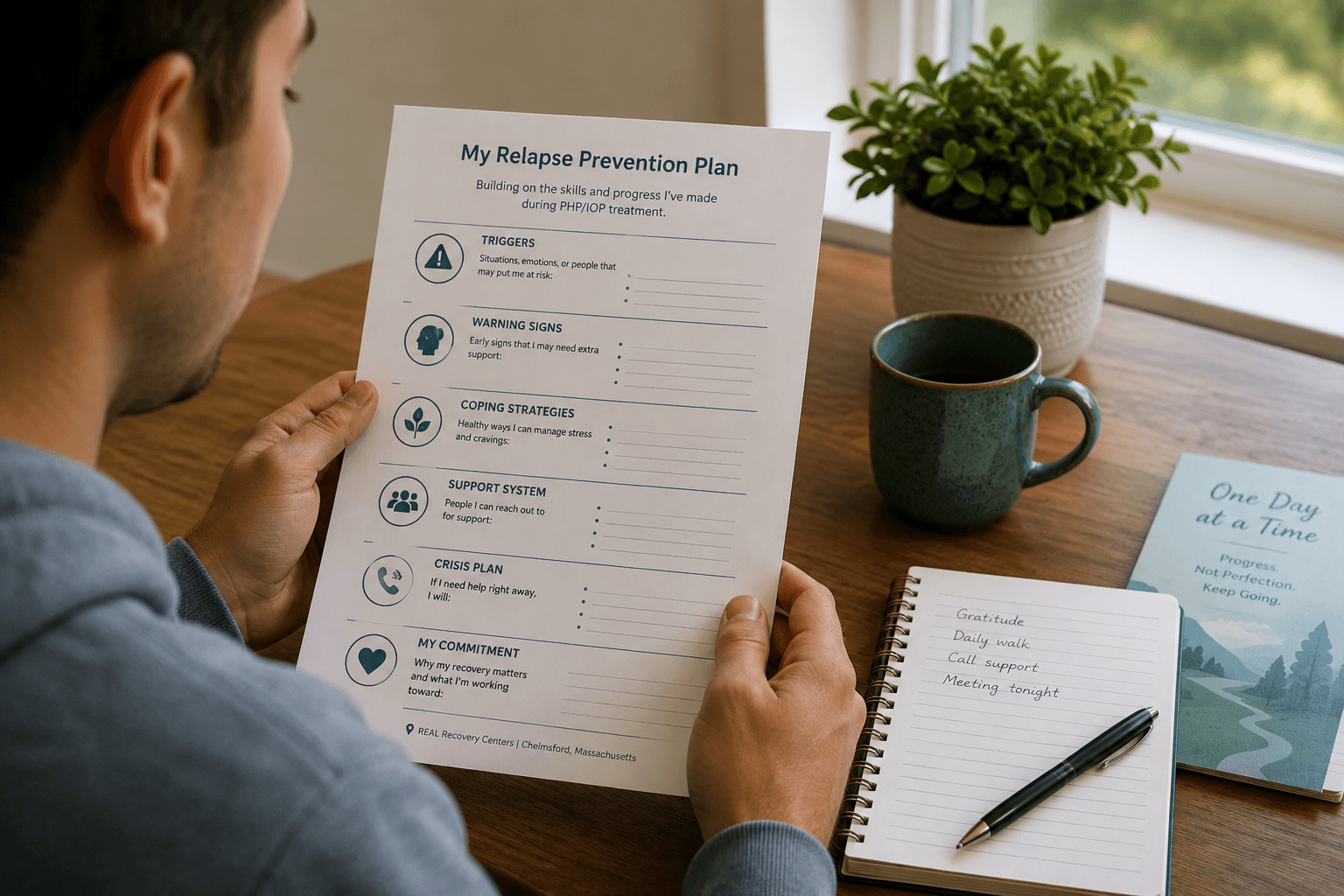
Treatment centers and specialists offer personalized plans, addressing both physical symptoms and the underlying causes of addiction. They also provide tools to prevent relapse, ensuring a more stable journey to recovery.
Overcoming Withdrawal: A Path to Recovery

Withdrawal is a challenging but essential step on the road to recovery. Recognizing symptoms and seeking professional help can make all the difference. Recovery is possible, and it begins with taking that first step. Whether it’s through medical detox, therapy, or medication-assisted treatment, there are options to support you.
If you or someone you know is struggling with withdrawal, don’t hesitate to reach out for help. Recovery is not just about surviving withdrawal; it’s about building a healthier, drug-free future.

Mitchell Grant Cohen
Dr. Mitchell G. Cohen is a board-certified Internal Medicine specialist with over 34 years of experience in patient-centered healthcare. A graduate of Hahnemann University School of Medicine, Dr. Cohen completed his internship at the University Health Center of Pittsburgh, where he gained invaluable hands-on experience. He is also a certified addiction specialist, holding membership with the American Society of Addiction Medicine (ASAM).
Currently based in Nashua, NH, Dr. Cohen is affiliated with Saint Joseph Hospital, where he provides comprehensive care focusing on both internal medicine and addiction treatment. His expertise includes prevention, diagnosis, and management of adult diseases, as well as specialized care for individuals facing substance use disorders.
Dr. Cohen is committed to fostering open communication, ensuring his patients are fully informed and empowered to make confident decisions about their health and treatment options.