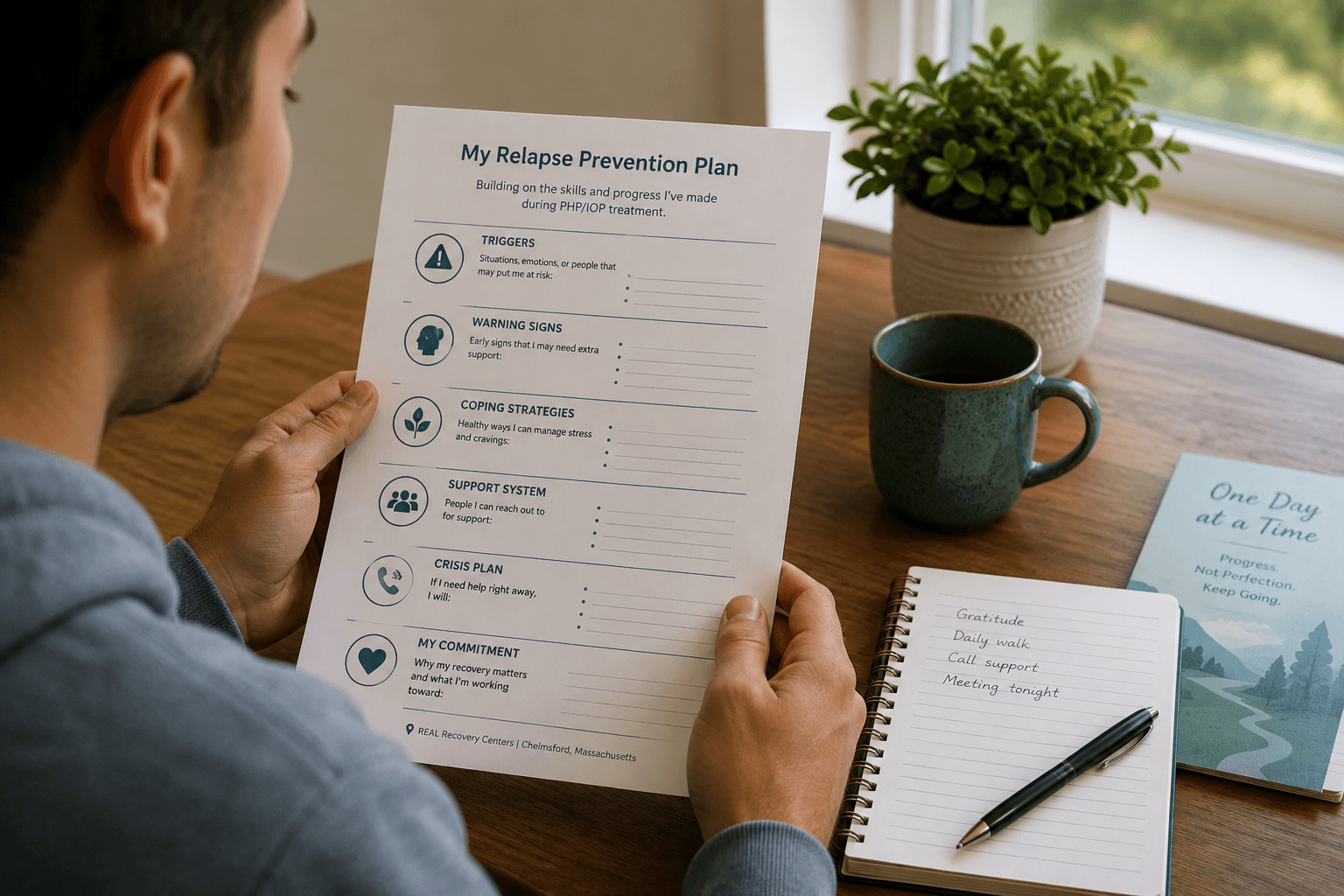
Why Summer Challenges Your Recovery
Summer arrives with promises of freedom, celebration, and long sunny days. For people in recovery from alcohol or substance use disorders, these same promises can feel more like threats.
The structure that kept you stable for months starts to crack. Your carefully planned routines disappear when everyone around you is saying, “It’s summer, loosen up.” The 8 AM support group you never missed conflicts with an early beach trip. Your sponsor goes on vacation for two weeks.
This isn’t pessimism. This is the reality backed by research.
Summer increases relapse risk through three primary mechanisms: disrupted daily routines that provided structure in early recovery, increased exposure to social situations involving alcohol, and environmental stressors like heat and irregular sleep. Research shows ER visits for substance-related disorders rise 38% during extreme heat periods, while first-time alcohol use among youth doubles in June and July compared to other months. The combination creates what addiction specialists call a “perfect storm” for relapse vulnerability.
More than 11,000 young people try alcohol for the first time each day in June and July, according to SAMHSA data. That’s double the 5,000 to 8,000 who try it daily during other months. A New York State study found that ER visits for alcohol-related disorders jumped 25% during periods of extreme heat, while substance-related emergency visits climbed 38%.
These numbers tell a story about what happens when structure dissolves and social pressure intensifies. If you’re worried about how you’ll navigate summer while protecting your recovery, you’re not alone. Understanding what makes this season uniquely challenging is how alcohol treatment programs begin to address your specific needs.
Six Summer-Specific Relapse Triggers
Understanding your triggers isn’t about avoiding life. It’s about entering situations with your eyes open and a plan already in place.
1. Social Gatherings Centered on Alcohol
The graduation party where everyone’s drinking champagne. The backyard BBQ where the host keeps offering you “just one beer.” The beach bonfire that turns into a drinking game marathon. Summer social life in Massachusetts often revolves around alcohol, from Cape Cod clambakes to North Shore brewery tours.
You planned to go because your family expected it. Now you’re three hours into an event where literally everyone except you has a drink in their hand. The question isn’t whether you’ll be tempted. It’s whether you have a plan for when that temptation arrives.
2. Disrupted Daily Routines
Your Monday, Wednesday, and Friday evening IOP sessions gave you structure. Your morning walk before work cleared your head. Your Tuesday night recovery meeting was non-negotiable.
Then summer hits. Kids are home from school, changing everything about your mornings. Your employer offers flex time, and suddenly your schedule is wide open. That structure you relied on? Gone. Without it, the space fills with exactly what you’re trying to avoid.
Research on addiction recovery consistently shows that routine disruption is one of the strongest predictors of relapse. Your brain built new pathways around your recovery schedule. Break that schedule, and the old pathways light up again.
3. Heat and Physical Discomfort
This trigger surprises people. They understand social pressure and routine disruption, but they don’t realize how much physical discomfort contributes to relapse risk.
A 2024 study found that binge drinking rates climb 1% for every 1°C increase in average annual temperature. When your body is overheated, dehydrated, and uncomfortable, it’s desperately looking for relief. Alcohol used to provide that relief. Your brain remembers.
The heat also disrupts sleep. Poor sleep increases irritability, weakens impulse control, and makes everything harder. Add summer’s later sunsets that throw off your circadian rhythm, and you’ve got a recipe for decision fatigue exactly when you need your judgment most.
People managing dual diagnosis care report that summer’s sensory overload can trigger symptoms that previously remained manageable. The noise, the heat, the crowds: all of it taxes your nervous system.
4. Vacation Mentality
“What happens on vacation stays on vacation.” This dangerous mindset convinces people that the rules somehow don’t apply when they’re away from home.
You worked hard on your recovery in Lowell. You built a support network, established boundaries, and learned coping strategies. Then you drive two hours to Cape Cod and act like none of that matters anymore. The vacation mindset whispers that you’re different now, that this one time won’t hurt, that you can have “just a taste” of your old life without consequences.
But addiction doesn’t take vacations. The disease travels with you. Virtual treatment sessions exist specifically because recovery can’t pause when your life circumstances change.
5. Major Life Events and Social Pressure
Massachusetts is home to more than 100 colleges and universities. Late May through June is graduation season in Boston, Cambridge, Amherst, and Lowell. Summer also brings weddings, family reunions, and milestone celebrations. These events come with enormous social pressure to participate in drinking traditions.
If you’re the parent of a graduate, the family expects you at every party. If you’re attending a wedding, the open bar runs all night. Saying no means potentially missing moments you can’t get back. The emotional weight of these milestones also matters. Celebrations trigger reflection about time passing, goals achieved or missed, and relationships that have changed. This emotional intensity can overwhelm the coping strategies that worked fine during ordinary days.
Summer also means outdoor festivals and concerts. Fenway Park games where beer is part of the experience. Free concerts on Boston Common where people openly drink. Music festivals from Tanglewood to small-town events where alcohol flows freely. The atmosphere at these events normalizes substance use. Everyone around you is drinking. The social message is clear: to have fun here, you need to be drinking too.
A study by NYU School of Medicine found that approximately 30% of first-time use of substances like marijuana, ecstasy, and cocaine occurs during summer months, often at exactly these types of events.
Massachusetts-Specific Summer Scenarios
Understanding general triggers helps. Understanding the specific ways they show up in your life helps more.
The Cape Cod Weekend: You rent a house with three other families. Everyone’s drinking on the deck while watching the sunset. The kids are busy, so the adults are “relaxing” with multiple bottles of wine. By day three, someone jokes that they’ve been drinking since 11 AM. The group dynamic makes saying no feel like you’re being judged, being difficult, or ruining the fun.
Fenway Summer Games: Your company bought a suite for a Red Sox game. It’s a work event, technically, but everyone’s drinking beer and eating hot dogs. Your boss makes a comment about “work hard, play hard.” Not drinking makes you visible in a way that feels uncomfortable. You worry about being seen as uptight, not a team player, and somehow less committed to the company culture.
North Shore Beach Days: Groups claim their spot on the beach early, setting up coolers full of alcohol. By noon, the beach has turned into an outdoor party. You came for a relaxing day with your family, but the environment has become one long trigger. Every direction you look, someone’s drinking.
These aren’t hypothetical scenarios. These are the real situations people in recovery face every summer in Massachusetts. Partial hospitalization programs help you develop specific strategies for these exact situations.

The PROTECT Framework for Summer Sobriety
You need more than awareness. You need a framework you can actually use when you’re standing at that graduation party feeling completely out of place.
P: Plan Ahead for High-Risk Events
Before you walk into any summer event, know your exit strategy. Identify the exact moment you’ll leave if things get uncomfortable. Drive separately so you’re not dependent on anyone else’s schedule. Tell at least one person about your plan so someone’s paying attention to how you’re doing.
R: Recognize Your Unique Triggers
The triggers that threaten your recovery might be completely different from someone else’s. Maybe it’s not the alcohol itself but the feeling of being left out. Maybe it’s specific people who trigger old behaviors. Maybe it’s certain times of day when your cravings spike. Evidence-based therapy helps you identify these patterns with precision.
O: Organize Your Sober Support Network
Before summer starts, identify at least three people you can call at any moment, day or night. Not just your sponsor. Not just one person who might be busy. Three people minimum who understand your recovery and will pick up the phone. Exchange schedules so you know when each person is available.
T: Tell Trusted People Your Boundaries
The people who love you can’t support your recovery if they don’t know what you need. Tell them clearly: “I’m not drinking this summer. I need you to not offer me alcohol and to support me leaving events early if I need to.” This conversation feels hard. Having it is easier than managing everyone’s confusion in the moment.
E: Exit Strategy for Every Event
Never attend any summer gathering without knowing exactly how you’ll leave if you need to. This means: driving yourself, having money for an Uber, telling someone you trust that you might need to call them for a ride, or simply knowing you have permission to leave without explanation.
C: Connect With Treatment Support
Real Recovery Centers is BSAS-licensed and offers flexible scheduling to protect your recovery during summer’s unpredictable schedule. We accept most insurance plans, and our admissions team is available 24/7 at (978) 788-1870. Verify your insurance coverage to remove barriers before summer challenges arrive.
T: Track Patterns and Warning Signs
Keep a simple log on your phone. After every event, note: how strong were your cravings (1-10)? What triggered them? What helped? What made things worse? You’re looking for patterns. The graduation parties are fine, but the BBQs are brutal. Mornings are safe, but evenings are dangerous. Being with family is manageable, but being with old friends isn’t.
How Treatment Programs Support Summer Recovery
You don’t have to white-knuckle your way through summer hoping willpower is enough. Treatment programs exist specifically to provide the support structure that summer naturally disrupts.
Intensive Outpatient Programs offer evening and weekend sessions that work around unpredictable summer schedules. You can attend a nephew’s graduation party in the afternoon and still make your evening group session. The flexibility matters because life doesn’t pause for recovery, but recovery can’t pause for life either.
Virtual treatment means staying connected to your therapist and support group even when you’re at a beach house on Cape Cod. Your recovery shouldn’t require turning down every family vacation. It should mean bringing your support system with you wherever you go.
Medication-assisted treatment provides pharmaceutical support for managing cravings when environmental triggers feel overwhelming. MAT programs combine medication with therapy to address both the physical and psychological aspects of addiction.
Alumni programs connect you with others who successfully navigated their first summer sober. They know exactly what you’re facing because they faced it last year. Alumni support provides peer guidance that feels different from clinical support. It’s the person who made it through by saying, “I know this is hard, and here’s what worked for me.”
Creating Your Summer Sobriety Plan
The frameworks and support systems only work if you actually use them. Here’s how to translate everything above into concrete action.
Before Summer Starts:
- Schedule your entire summer calendar now. Mark which events are high-risk, medium-risk, and low-risk.
- For every high-risk event, apply the PROTECT framework. Write it down. Share it with someone.
- Identify five sober activities you genuinely enjoy and schedule them specifically. Not “I’ll go hiking sometime.” “I’m hiking the Blue Hills at 8 AM on Saturday, July 6th, with Mark.”
- Pre-write your responses to “Want a drink?” Practice them until they feel natural, not defensive.
During Summer:
- Check in with your treatment team weekly, even if you feel fine. Especially if you feel fine. Overconfidence is a trigger.
- After every social event, immediately text someone in your support network. “Made it through the BBQ sober. Harder than I expected, but I did it.” You need to mark these victories.
- When cravings hit, use the 10-minute rule. You can resist anything for 10 minutes. During those 10 minutes, call someone, change locations, eat something, and drink water. The craving will pass.
If You’re Struggling:
- One close call doesn’t mean you’ve failed. It means you need more support now, before it becomes an actual relapse.
- Increase your treatment intensity temporarily. Consider more structured day treatment for a few weeks if you need additional support.
- Be honest with your treatment team about what’s happening. They can adjust your plan before things escalate.

Frequently Asked Questions About Summer Recovery
Why is summer harder for people in recovery?
Summer disrupts the daily routines that support early recovery while simultaneously increasing exposure to alcohol-focused social situations. Research shows that first-time substance use doubles during June and July, and ER visits for substance-related issues rise 38% during heat periods. The combination of routine disruption, social pressure, and physical stressors creates uniquely challenging circumstances for maintaining sobriety.
What should I do if I feel triggered at a summer event?
Use the exit strategy you planned before arriving. Leave immediately, even if it feels awkward. Text or call someone from your support network while you’re driving away. Don’t try to tough it out once you recognize you’re in trouble. Early exit is success, not failure. Your recovery is more important than social comfort.
Can I still go on vacation during early recovery?
Yes, but plan carefully. Choose destinations and activities that don’t center on alcohol. Bring your support system with you through virtual treatment sessions. Avoid all-inclusive resorts or cruise ships where alcohol is unlimited and constantly available. Research relapse prevention strategies before you book anything to ensure your vacation supports rather than threatens your recovery.
How do I handle graduation parties and weddings sober?
Arrive with a sober buddy if possible. Have a non-alcoholic drink in your hand at all times so people stop offering you alcohol. Set a specific departure time and stick to it regardless of social pressure. Focus on celebrating the milestone rather than on the alcohol you’re not drinking. Remember that leaving early protects months of progress.
When should I consider more intensive treatment support?
If you’re having close calls more than once per week, if you’re isolating yourself to avoid triggers instead of managing them, if you’re lying to your treatment team or support network about how you’re doing, or if you’ve had even one slip. More support is always better than waiting to see if you relapse. Intensive programs provide the structure summer naturally disrupts.
Summer Doesn’t Have to Mean Risking Your Recovery
The statistics about summer and relapse are real. The triggers are real. The pressure is real. What’s also real is that people successfully protect their recovery through summer every single year in Massachusetts and everywhere else.
They do it by understanding that summer doesn’t grant them special immunity from addiction. They do it by building specific plans for specific situations. They do it by staying connected to treatment support instead of trying to handle everything alone.
You’ve already done the hardest part by getting sober in the first place. Summer is just the next challenge in an ongoing process. The difference between people who make it through and people who don’t isn’t willpower. It’s preparation, support, and honest recognition of when you need help.
For Massachusetts residents: Speak with our admissions team in Chelmsford at (978) 788-1870 or visit our contact page to discuss how our programs can support your summer recovery.
For those outside Massachusetts: Virtual treatment may be available depending on your state. Contact us to learn about remote options.
About Real Recovery Centers
Real Recovery Centers is a BSAS-licensed addiction treatment center in Chelmsford, Massachusetts, offering PHP, IOP, and outpatient programs for substance use and co-occurring disorders. Our evidence-based approach combines individual therapy, group support, and medication-assisted treatment in a compassionate outpatient setting. We accept most major insurance plans and provide 24/7 admissions support at (978) 788-1870.
Treatment Programs: Partial Hospitalization Program (PHP) | Intensive Outpatient Program (IOP) | Outpatient Services | Virtual Treatment | Dual Diagnosis | Medication-Assisted Treatment (MAT) | Relapse Prevention | Alumni Support
Serving: Greater Lowell, Chelmsford, Billerica, Tewksbury, Westford, Dracut, and surrounding Massachusetts communities.

Mitchell Grant Cohen
Dr. Mitchell G. Cohen is a board-certified Internal Medicine specialist with over 34 years of experience in patient-centered healthcare. A graduate of Hahnemann University School of Medicine, Dr. Cohen completed his internship at the University Health Center of Pittsburgh, where he gained invaluable hands-on experience. He is also a certified addiction specialist, holding membership with the American Society of Addiction Medicine (ASAM).
Currently based in Nashua, NH, Dr. Cohen is affiliated with Saint Joseph Hospital, where he provides comprehensive care focusing on both internal medicine and addiction treatment. His expertise includes prevention, diagnosis, and management of adult diseases, as well as specialized care for individuals facing substance use disorders.
Dr. Cohen is committed to fostering open communication, ensuring his patients are fully informed and empowered to make confident decisions about their health and treatment options.