

Why Prescription Drug Addiction Is Rising in Massachusetts
Across Massachusetts, more people are finding that medications meant to help manage pain, anxiety, or focus can quietly lead to dependency. What begins as a way to cope can slowly take over daily life, affecting work, relationships, and health. Many describe it as losing control over something that once seemed safe.
Recovery begins by understanding that addiction is not a failure of willpower but a medical condition that can be treated with the right support and care. Local treatment centers, like Real Recovery Centers in Chelmsford, provide compassionate, evidence-based programs designed to help individuals rebuild stability and regain confidence in everyday life.
Commonly Misused Prescription Drugs
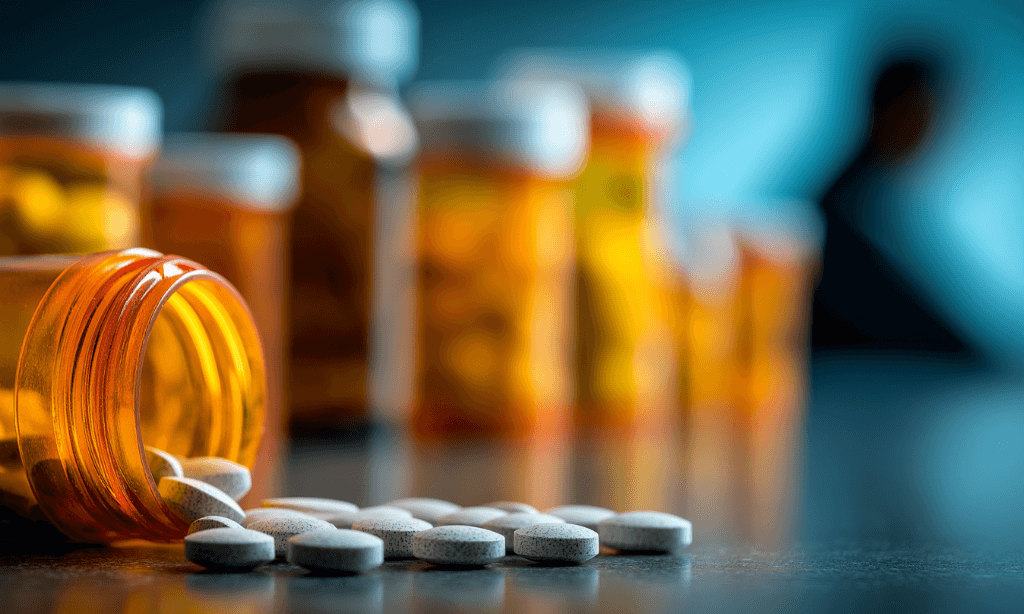
In Massachusetts, three main categories of medications are most often misused:
Opioids
Drugs such as oxycodone and hydrocodone are prescribed for pain but can create a powerful sense of relief and euphoria. Over time, tolerance builds, leading to cravings and withdrawal symptoms that make quitting difficult without help.
Benzodiazepines (Benzos)
Medications like Xanax and Valium reduce anxiety but can be risky when misused or mixed with alcohol. Learn more in our guide on Xanax dosages and safe use.
Stimulants
Drugs such as Adderall or Ritalin are prescribed to improve focus but may be misused to enhance performance or stay awake. Long-term misuse can cause heart problems, mood instability, and emotional exhaustion.
Recognizing which type of medication is being misused is the first step toward finding the right kind of treatment.
Recognizing the Signs of Prescription Drug Addiction
Addiction often develops gradually. You might notice subtle changes before realizing how much control the medication has gained. Common signs include:
- Needing higher doses to feel the same effect
- Taking medication more often than prescribed
- Feeling anxious or ill when skipping a dose
- Losing interest in responsibilities or social activities
- Visiting multiple doctors to refill prescriptions
If these patterns sound familiar, seeking help from a licensed professional can make recovery safer and more effective. For more insight, read about common drug withdrawal symptoms.
What is prescription drug addiction treatment in Massachusetts?
Prescription drug addiction treatment in Massachusetts combines medical detox, therapy, and behavioral support to manage both physical dependence and mental health needs. Programs often include medication-assisted treatment (MAT), cognitive behavioral therapy (CBT), and dual diagnosis care to build long-term recovery and stability.
Treatment Options in Massachusetts

Comprehensive treatment for prescription drug addiction in Massachusetts focuses on addressing the physical, emotional, and psychological sides of addiction. Several proven options are available, depending on each person’s needs.
Medication-Assisted Treatment (MAT)
MAT helps reduce cravings and withdrawal symptoms through safe, FDA-approved medications such as Suboxone or Vivitrol. This approach stabilizes the body while clients engage in therapy to build coping strategies and healthier habits.
Therapy and Counseling
Therapies like Cognitive Behavioral Therapy (CBT) and Dialectical Behavior Therapy (DBT) help identify patterns that drive misuse and teach new ways to handle stress and emotions. CBT is particularly effective for reframing negative thought patterns that often lead to relapse.
Dual Diagnosis Care
Many people with prescription drug addiction also experience depression, anxiety, or trauma. Dual diagnosis treatment addresses these conditions together, creating a more complete path to recovery. You can learn more about our dual diagnosis programs and how they integrate mental health with substance use care.
Outpatient and Intensive Programs
Flexible options like Partial Hospitalization (PHP) and Intensive Outpatient Programs (IOP) allow individuals to continue working or caring for family while receiving structured treatment. If you’re exploring care that fits your schedule, our guide to top-rated IOP programs provides helpful insights.
How Therapy Restores Control

Therapy helps people reclaim control by teaching them to understand their emotions, choices, and stressors.
- CBT focuses on identifying the triggers and thought patterns that lead to misuse and replacing them with healthy coping skills.
- DBT improves emotional balance and relationship management, which can reduce relapse risks.
- Relapse Prevention Planning helps clients prepare for real-life challenges and stay connected to support systems after treatment.
Therapists also work to rebuild self-esteem and motivation, empowering individuals to see recovery as a long-term opportunity for growth.
The Role of Family and Support

Families are often the backbone of recovery. Through family counseling, education, and open communication, loved ones learn how to create supportive environments and avoid enabling behaviors.
Family members also gain insight into co-occurring conditions that influence addiction. For example, reading Understanding the Risks of Gabapentin and Hydrocodone can help explain how prescription misuse affects both the body and brain.
FAQs About Prescription Drug Addiction Treatment
Is tapering off prescription drugs safe?
Tapering must always be supervised by a licensed medical provider. Stopping suddenly can trigger serious withdrawal symptoms.
What’s the difference between detox and rehab?
Detox helps the body safely eliminate substances, while rehab focuses on therapy, mental health, and long-term relapse prevention.
Can you recover while still working or caring for family?
Yes. Many people in Massachusetts recover successfully through outpatient or IOP programs that fit around personal responsibilities.
Does insurance cover prescription drug addiction treatment in Massachusetts?
Most insurance plans, including MassHealth, cover treatment programs. You can verify your insurance coverage confidentially before starting care.
What if I’m taking multiple prescriptions?
Treatment teams are trained to manage multiple medications safely. Dual diagnosis and MAT programs can be tailored to your unique needs.
Recovery Is Possible
Prescription drug addiction can make life feel unpredictable, but recovery is always possible. With medical guidance, therapy, and consistent support, people throughout Massachusetts are regaining control and rebuilding their lives. If you or someone you care about is ready to start healing, Real Recovery Centers in Chelmsford is here to help. Call today to verify insurance or learn more about treatment options designed for lasting recovery.