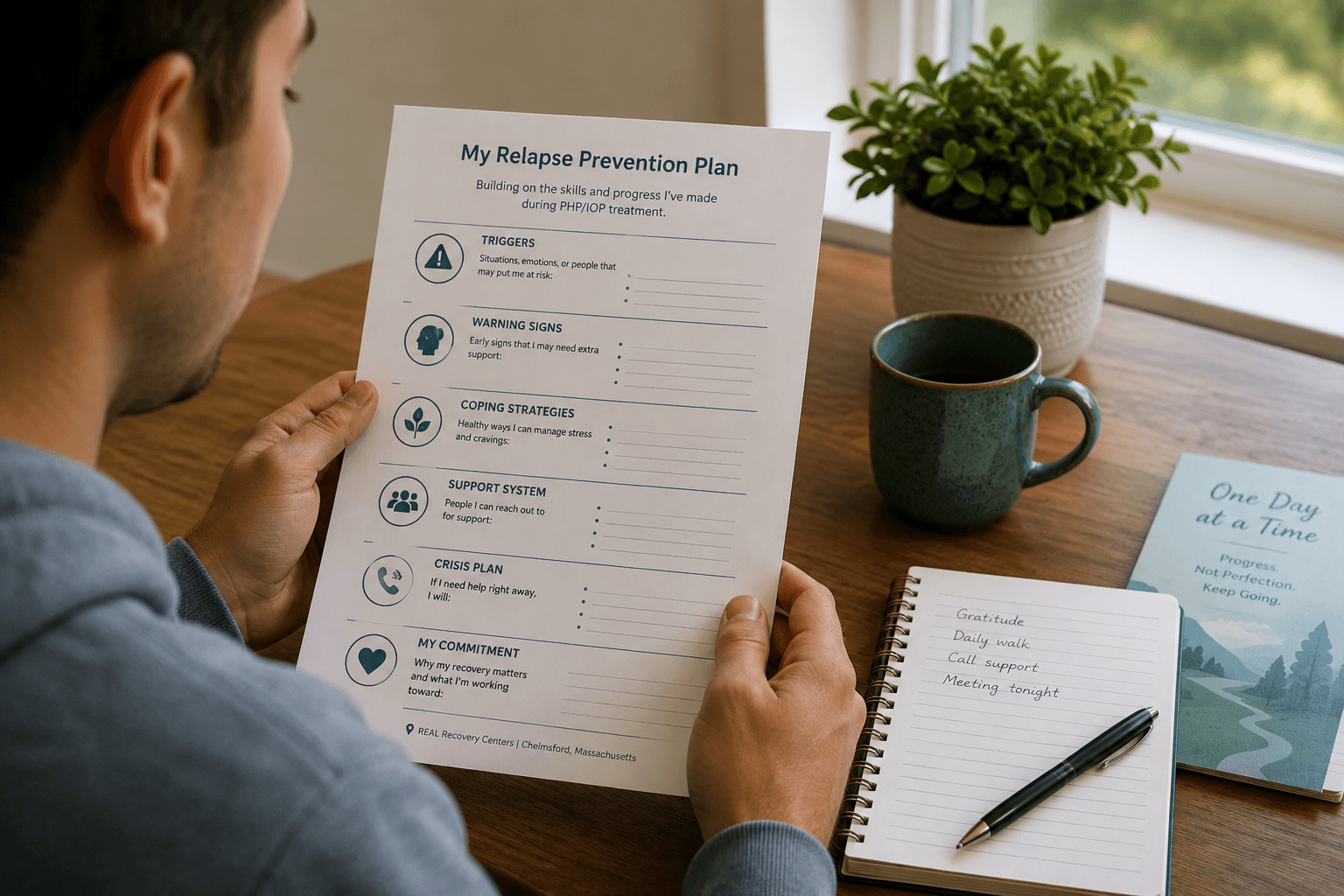
Many people in Massachusetts quietly wonder whether their drinking has gone too far. It might start with missed mornings, strained relationships, or a nagging worry that alcohol has become too central to daily life. Seeking help is not a sign of weakness; it’s a powerful step toward healing.
Alcohol rehab in Massachusetts offers personalized treatment programs that address both physical dependence and emotional recovery. From detox to outpatient counseling, these programs provide structure, safety, and the support needed to build long-term stability.
What Happens in Alcohol Rehab?
Rehab typically begins with detox, where licensed medical teams help the body safely clear alcohol. Symptoms such as shaking, sweating, and anxiety are monitored closely, and medications may be prescribed to reduce discomfort or prevent complications.
After detox, therapy begins. Treatment focuses on understanding triggers, rebuilding coping skills, and learning healthier ways to manage stress. Cognitive Behavioral Therapy (CBT), mindfulness, and group sessions are common approaches.
Finally, ongoing aftercare supports recovery once treatment ends. Many people continue with counseling, sober support meetings, or alumni groups to maintain progress and accountability.
Alcohol rehab in Massachusetts typically involves three stages: detox, therapy, and aftercare. This approach helps individuals manage withdrawal safely, address underlying causes, and sustain long-term recovery.

Types of Alcohol Treatment Programs in Massachusetts
Recovery is not one-size-fits-all. Massachusetts residents can access several types of rehab programs, depending on their symptoms, lifestyle, and home environment.
Partial Hospitalization Program (PHP)
PHPs offer full-day treatment with medical oversight while allowing clients to return home each evening. They provide structure without a complete residential stay.
Intensive Outpatient Program (IOP)
An Intensive Outpatient Program combines flexibility with frequent therapy sessions. Participants attend several times a week to practice recovery skills and prevent relapse while maintaining family and work life.
Outpatient and Virtual Care
For those with mild alcohol dependence or strong support systems, standard outpatient or telehealth programs provide convenience and privacy. Massachusetts has seen a rise in online therapy options that keep care accessible across the state.

Therapies That Work
Effective alcohol rehab blends science with compassion. Common evidence-based approaches include:
- Cognitive Behavioral Therapy (CBT): Helps identify thought patterns that contribute to drinking and replace them with positive coping strategies.
- Family and Couples Therapy: Strengthens relationships and improves communication. Learn more in Top Couples Rehab Programs: Overcome Addiction Together.
- Medication-Assisted Treatment (MAT): Medications such as naltrexone or acamprosate reduce cravings and support long-term recovery.
- Holistic Therapy: Yoga, meditation, and art therapy encourage self-awareness and stress reduction.
Many clients also benefit from reading Common Drug Withdrawal Symptoms to better understand what the body experiences during detox and early recovery.
Comparing Massachusetts Rehab Options
| Program Type | Best For | Pros | Considerations |
| PHP | Moderate dependence | Daytime structure, medical monitoring | Requires daily attendance |
| IOP | Mild to moderate dependence | Flexibility with strong support | Self-discipline needed |
| Outpatient/Virtual | Early recovery or step-down care | Affordable, accessible | Limited daily structure |
This continuum allows people to move between levels of care as progress builds, ensuring recovery remains consistent and sustainable.

When to Seek Alcohol Rehab
Knowing when to seek treatment can be difficult. Warning signs include drinking alone, neglecting responsibilities, or feeling unwell without alcohol. If you’ve ever experienced trembling, nausea, or sleeplessness after skipping a drink, it’s time to reach out for medical guidance. Self-detoxing at home can be dangerous. Professional detox and rehab centers provide medical supervision to manage withdrawal safely. For insights into how alcohol dependence develops, see Struggling with Alcohol: Why Can’t I Stop Drinking?
FAQs About Alcohol Rehab in Massachusetts
How long does rehab last?
Detox can take up to a week, while structured programs such as PHP or IOP may last 4–12 weeks. Many clients continue aftercare for several months or longer.
Does insurance cover alcohol rehab?
Yes. Most private insurers and MassHealth plans cover approved alcohol treatment programs. Verification is usually quick and confidential.
What if relapse happens?
Relapse is a common part of recovery. It signals a need for added support, not failure. Many return to therapy or adjust medication to regain stability. For related safety guidance, read Understanding the Risks of Gabapentin and Hydrocodone.
Are online programs as effective?
For many people, virtual care provides structure, therapy access, and accountability that fit their lifestyle, particularly in remote Massachusetts areas.
Can families be involved in treatment?
Absolutely. Family involvement is strongly encouraged to promote healing and long-term recovery success.

Healing Begins with Compassionate Care
Choosing alcohol rehab is an act of courage. Recovery isn’t about perfection; it’s about progress, connection, and rediscovering peace of mind.
Real Recovery Centers in Chelmsford, MA, offers evidence-based outpatient treatment with licensed clinicians and flexible programs that fit real life. Whether you’re exploring PHP, IOP, or outpatient options, compassionate help is available.If you or someone you love is ready to begin recovery, call Real Recovery Centers today to verify insurance or learn more about available treatment options.