

Introduction: Understanding Opioid Recovery in Massachusetts
Opioid use continues to affect communities across Massachusetts, leaving many people searching for effective and safe ways to recover. From prescription painkillers to synthetic opioids like fentanyl, these substances can create strong physical dependence and emotional strain.
Opioid addiction treatment in Massachusetts focuses on addressing both sides of addiction, the biological changes caused by opioid use and the behavioral patterns that sustain it. Through medication, counseling, and relapse prevention, recovery becomes a structured, achievable process guided by medical and therapeutic professionals.
What Opioid Addiction Treatment Involves
Opioid addiction changes the brain’s chemistry, especially in areas related to motivation and reward. Over time, the body relies on opioids just to feel normal. That’s why stopping on your own can lead to intense withdrawal symptoms.
Treatment programs in Massachusetts typically combine three evidence-based components:
- Medication-Assisted Treatment (MAT) to stabilize the body.
- Therapy and counseling to strengthen emotional and behavioral health.
- Relapse prevention to maintain recovery long-term.
This integrated model supports both immediate symptom relief and sustainable healing.
Medication-Assisted Treatment (MAT): Balancing the Body for Recovery
Medication-Assisted Treatment (MAT) uses specific FDA-approved medications to help people manage withdrawal and reduce cravings safely. MAT supports physical stability, allowing individuals to engage more fully in therapy and daily life.
Common medications used in Massachusetts include:
- Suboxone (Buprenorphine/Naloxone): Reduces cravings and withdrawal without creating euphoria.
- Vivitrol (Naltrexone injection): Blocks the effects of opioids for a full month per dose.
- Methadone: Administered in regulated clinical settings for individuals who require higher-dose stabilization.
When monitored by licensed professionals, these medications are safe and effective. They also significantly lower overdose risks when combined with therapy.For insight into safe use, learn about Suboxone overdose risks and precautions in our related educational guide.
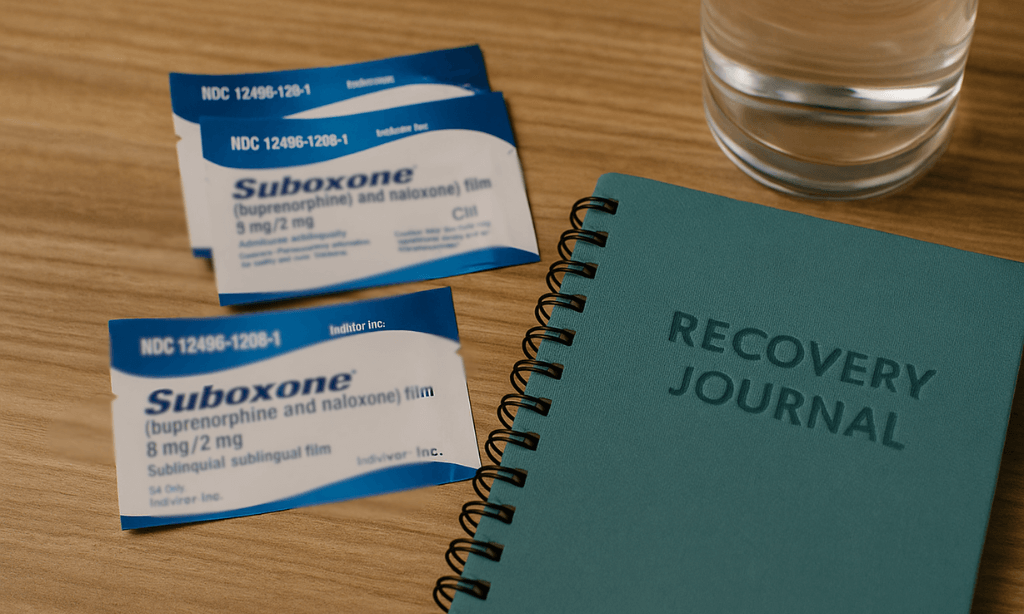
What Does Opioid Addiction Treatment in Massachusetts Include?
Opioid addiction treatment in Massachusetts combines medication, counseling, and relapse prevention to help people recover safely. Programs often include Medication-Assisted Treatment (MAT) with Suboxone or Vivitrol, behavioral therapy, and ongoing support to reduce cravings, manage withdrawal, and build long-term recovery stability.
Therapy: Restoring Mental and Emotional Health
Medication helps stabilize the body, but therapy addresses the thoughts, emotions, and environments that influence substance use.
In Massachusetts opioid treatment programs, individuals often work with licensed counselors through methods like:
- Cognitive Behavioral Therapy (CBT): Identifies negative thought patterns and builds coping skills.
- Dialectical Behavior Therapy (DBT): Strengthens emotional regulation and self-awareness.
- Group Therapy: Creates community and shared accountability in a safe space.
- Family Counseling: Helps loved ones learn healthy ways to support recovery.
Therapy provides the tools to understand addiction’s emotional roots and to replace harmful habits with sustainable ones.
If you’re exploring structured outpatient options, you can read more about intensive outpatient programs and how they provide clinical support with scheduling flexibility.

Relapse Prevention: Staying Steady After Treatment
Long-term recovery requires ongoing attention, not perfection. Relapse prevention focuses on recognizing triggers early and having a plan to respond in healthy, productive ways.
Key elements of relapse prevention in Massachusetts include:
- Continued Counseling: Ongoing sessions to address challenges as they arise.
- Aftercare Planning: Structured support following PHP or IOP completion.
- Peer Groups and Alumni Programs: Opportunities for connection and accountability.
- Healthy Routine Development: Encouraging exercise, nutrition, and mindful stress management.
Understanding early warning signs can make relapse prevention more effective. You can learn to recognize both emotional and physical indicators by reviewing our article on common drug withdrawal symptoms and what they mean for recovery progress.

Addressing Common Substances and Risks
Not all opioids are the same, and their effects can vary widely. Understanding these differences helps families and individuals make informed choices about treatment.
For example, fentanyl is far more potent than many opioids and can be deadly in very small amounts. Learn more about fentanyl’s identifying characteristics and the dangers of accidental exposure.
Similarly, people who misuse multiple substances may experience compounded risks. Our overview of Gabapentin and Hydrocodone interactions explains how combining medications can increase dependency and health complications.

Levels of Care in Massachusetts
Treatment is most effective when matched to a person’s needs and recovery stage. Massachusetts offers several levels of care designed to provide the right balance of structure and flexibility:
| Program Type | Best For | Key Features |
| Partial Hospitalization (PHP) | Individuals needing daily structure with medical oversight | Intensive daytime programming, home in evenings |
| Intensive Outpatient (IOP) | People balancing recovery with work or family | Therapy several days per week, flexible schedule |
| Outpatient Program (OP) | Ongoing recovery maintenance | Long-term therapy, relapse prevention, peer support |
Each level builds upon the previous one, ensuring a smooth and supportive transition toward independence.
When to Seek Help
If opioid use has become difficult to manage, or if withdrawal symptoms occur between doses, it’s time to reach out for help. Signs you might benefit from treatment include:
- Needing more opioids to achieve the same effect
- Struggling to stop despite wanting to
- Neglecting work or personal responsibilities
- Using opioids even after negative consequences
Recovery begins with awareness and the willingness to ask for help. With professional support, sustainable recovery is possible.
FAQs About Opioid Treatment in Massachusetts
What is Medication-Assisted Treatment (MAT)?
MAT combines medication and counseling to safely manage opioid dependence and reduce relapse risk.
How long does MAT last?
Duration varies by individual. Some continue treatment for months, while others benefit from longer-term maintenance under supervision.
Is therapy required with MAT?
Yes. Studies show that combining medication with therapy greatly increases long-term recovery success.
Are telehealth options available?
Many Massachusetts providers, including Real Recovery Centers, offer telehealth appointments for therapy and follow-up care.
Is opioid treatment covered by insurance?
Most insurance plans, including MassHealth, cover outpatient opioid addiction treatment. Verification can be completed confidentially.
A Compassionate Path to Healing
Recovery is not about perfection; it’s about progress, understanding, and care. Whether you’re seeking help for yourself or supporting a loved one, compassionate, medically supported treatment can make lasting change possible. If you’re ready to learn more about opioid addiction treatment in Massachusetts, reach out to the team at Real Recovery Centers in Chelmsford for guidance and insurance verification. Your path to healing can begin today with professional, evidence-based support.