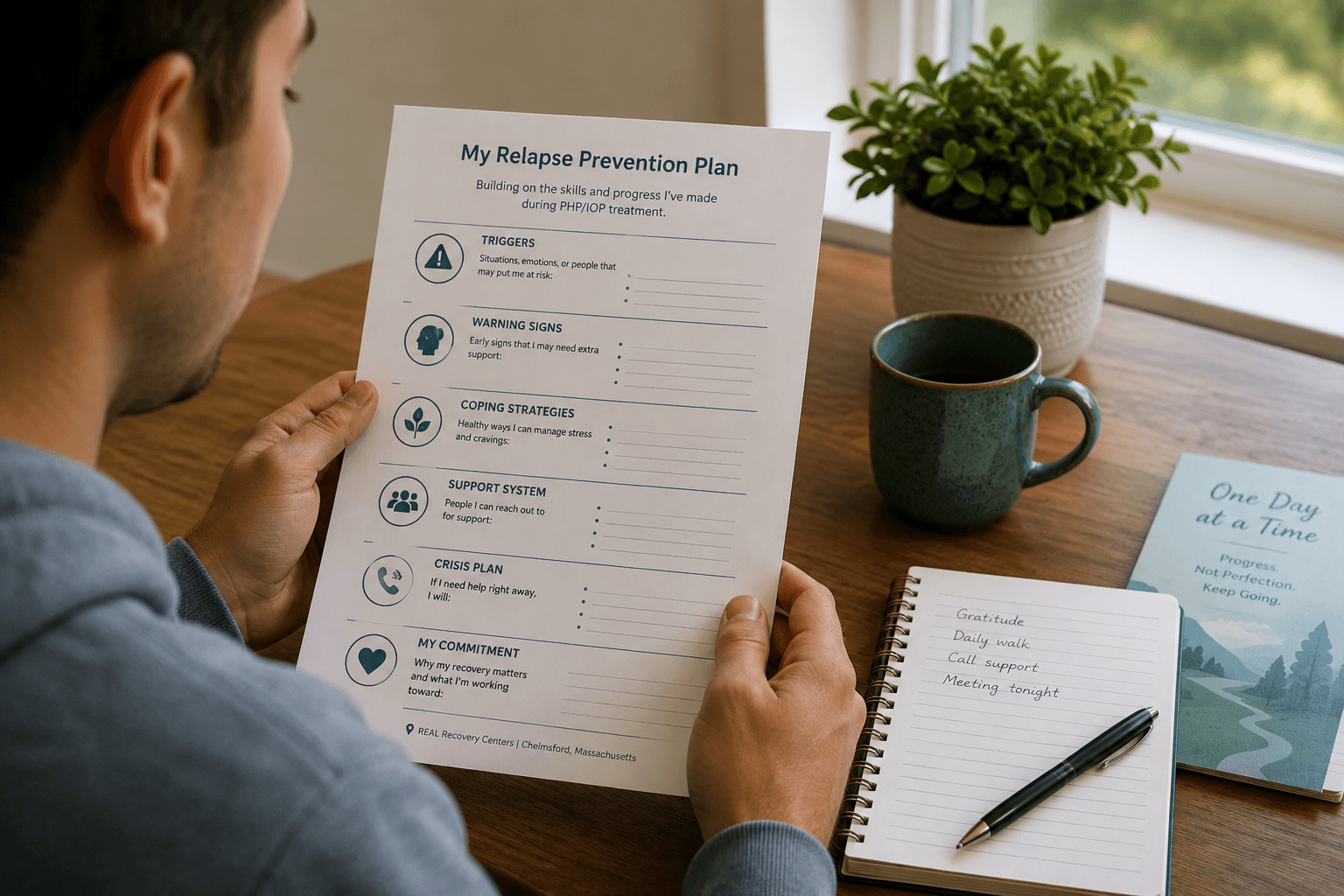

Recovery isn’t a single event; it’s a process that takes structure, support, and time to rebuild stability. For many people in Massachusetts, a partial hospitalization program (PHP) provides the consistent care and daily accountability needed to regain control without stepping away from home life completely.
A PHP offers the best of both worlds: the focused environment of clinical treatment and the flexibility of returning home each night. It’s designed for people who want to stay connected to family and routine while still receiving comprehensive, evidence-based support.
What Is a Partial Hospitalization Program (PHP)?
A Partial Hospitalization Program (PHP) is a structured day treatment model offering intensive therapy and medical support without overnight stays. Participants typically attend five to six hours a day, five days a week, engaging in therapy sessions, medication management, and relapse prevention education.
A partial hospitalization program (PHP) in Massachusetts provides intensive day treatment for people recovering from addiction or mental health challenges. It offers daily therapy, medical oversight, and structured support, bridging the gap between inpatient care and traditional outpatient programs.
For those transitioning from inpatient rehab or detox, PHP serves as a safe middle ground. It provides stability and consistency while helping people apply what they’ve learned to real-world situations at home.
Who Benefits Most from PHP Addiction Treatment in Massachusetts

A PHP is ideal for individuals who need daily structure but are ready for greater independence. It’s often recommended for:
- People stepping down from residential or detox programs
- Individuals managing both mental health and substance use concerns
- Adults struggling with cravings or triggers in unstructured environments
- Anyone needing accountability to maintain early recovery progress
This model helps build a bridge between treatment and normal life, offering both clinical intensity and the freedom to practice healthy coping skills outside therapy hours.
Therapies and Support in a Structured Rehab Program (MA)
Each person’s treatment plan in a structured rehab program is individualized to match their needs and goals. A PHP typically includes:
- Individual therapy using Cognitive Behavioral Therapy (CBT) or Dialectical Behavior Therapy (DBT)
- Motivational Interviewing (MI) to strengthen personal commitment to recovery
- Group therapy for peer connection and shared learning
- Family therapy to rebuild understanding and trust
- Medication-assisted treatment (MAT) when medically appropriate
Holistic care such as mindfulness, fitness, or stress management

These integrated therapies help participants regain balance, addressing both the physical and emotional sides of recovery. For more on managing withdrawal and post-detox symptoms, explore our article on safe approaches to handling drug withdrawal.
PHP vs. IOP and Inpatient Treatment: Understanding the Difference
When choosing between treatment options, it’s important to know how each level of care fits different recovery stages:
| Program Type | Time Commitment | Living Arrangement | Best For |
| Inpatient Rehab | 24/7 supervision | Live at facility | People needing full stabilization |
| Partial Hospitalization (PHP) | 5–6 hours/day, 5 days/week | Return home nightly | Those needing daily support and structure |
| Intensive Outpatient (IOP) | 3–4 hours/day, 3–5 days/week | Live at home | Those ready for flexible therapy schedules |
A day treatment program in Massachusetts blends structure with independence, providing intensive daily therapy without disrupting home or work life.
If you’re researching program transitions, you may find it helpful to learn how an intensive outpatient program supports continued recovery once PHP ends.
Insurance and Accessibility in Massachusetts
Most MassHealth and private insurance plans recognize PHPs as essential behavioral health services. Coverage typically includes therapy, medication management, and psychiatric support. Staff can assist with benefit verification and help clients understand what’s covered before starting treatment.
For individuals prescribed medications as part of treatment, understanding safe use is critical. You can learn more through our educational resource on managing prescription interactions responsibly.

FAQs About Partial Hospitalization Programs in Massachusetts
How long does PHP last?
Most programs run for four to six weeks, though length may vary based on progress and goals.
Is housing provided?
No, PHP is a day treatment program. Participants return home or to sober housing after each treatment day.
Can I work or study while in PHP?
Because PHP is full-time, most people pause work or classes during treatment. Many later step down to IOP for more flexibility.
Does insurance cover PHP in Massachusetts?
Yes. Both MassHealth and most private insurance plans typically cover PHP treatment.
What comes after PHP?
Graduates often continue with Intensive Outpatient Programs (IOP) or standard outpatient therapy to sustain momentum in recovery.
A Bridge Toward Stability and Lifelong Healing
A partial hospitalization program in Massachusetts gives people the structure and guidance they need to rebuild a steady, substance-free life. With daily support, clinical care, and an encouraging environment, it’s a strong foundation for long-term success.If you or someone you love is ready to start healing, the caring team in Chelmsford is here to help. Call Real Recovery Centers today to verify insurance or explore available PHP and outpatient options.