When “College Drinking” Becomes Something Else
June hits different when you’re 23 and suddenly don’t have a structure to wake up for. No classes, no campus, no built-in friend group showing up at your dorm every night.
You’re back in your childhood bedroom applying for jobs. Your friends from high school are scattered across different cities. The people you partied with at BU or Northeastern have moved on to grad school or their own career paths.
And you’re realizing the drinking didn’t stay at college. Neither did the other stuff. What felt like everyone’s normal on a Thursday night in Allston feels different when you’re doing it alone in your parents’ basement at 2 PM on a Tuesday.
Here’s what nobody told you: your brain isn’t done developing yet. The part that controls impulse regulation and judgment doesn’t finish maturing until around age 25 or 26. That’s not an excuse. It’s neuroscience. And it’s why addiction treatment designed for 45-year-olds won’t work for someone your age.
Real Recovery Centers understands these unique challenges and provides age-appropriate treatment that addresses your specific developmental needs.
Why Your Brain Makes You Vulnerable
Young adults (18-25) require specialized addiction treatment because their brains are still developing until age 24-26, with the prefrontal cortex, controlling impulse regulation, maturing last while the limbic system, governing emotions and rewards, develops earlier. This developmental mismatch makes young adults both more vulnerable to addiction and more responsive to age-appropriate treatment with same-stage peers, leading to research showing 43% better outcomes in age-matched treatment groups. Young adult programs address identity formation, career development, and social networks in ways that generalist adult treatment does not.
Think of your brain like a house under construction. The emotional center, your limbic system, finished building first. It’s responsible for feelings, rewards, and motivation. That part was online and fully functional by your mid-teens.
The prefrontal cortex, the part that handles impulse control, judgment, weighing consequences, and rational decision-making, is still under construction until your mid-twenties. The American College of Pediatricians describes this as having a race car engine before the brakes are fully installed.
This creates what researchers call a developmental mismatch. You feel everything intensely; rewards hit harder, and emotions run stronger, but the part of your brain that says “maybe this isn’t a great idea” or “let’s think about tomorrow” hasn’t finished developing.
That’s why substances feel so good to your brain right now. And why forming addictive patterns happens faster in developing brains than in fully mature ones. Research shows adolescents and young adults become addicted more easily because nerve pathways are still forming. The connections your brain makes during substance use literally wire themselves into your neural architecture.
Studies of people aged 13 to 25 show diminished cognitive performance in emotionally charged situations, even in the 18-21 age group. Your brain under emotional stress doesn’t perform like an older adult’s brain under the same stress. You’re also more susceptible to peer influence than people over 24.
This isn’t about being weak or lacking willpower. This is about your prefrontal cortex not being finished yet. Many young adults also experience co-occurring mental health conditions like anxiety and depression alongside substance use disorders, which require integrated treatment approaches.
The good news: treatment approaches that work with your brain’s biology rather than against it, including medication-assisted treatment for substance use disorders, support the neurotransmitter systems involved in addiction and recovery.
What Makes Young Adult Treatment Different
Walk into a standard adult addiction treatment program, and you might find yourself in group therapy with people twice your age talking about custody battles, second marriages, and mortgages. Their life concerns are decades ahead of yours.
Age-appropriate treatment recognizes you’re not dealing with those issues. You’re figuring out who you are without substances while you’re still forming your identity in the first place. You’re navigating your first real job, first apartment, and first serious relationship. Maybe you’re still in school. Maybe you just graduated and have no idea what comes next.
Young adult specialized programs structure everything around your developmental stage. Group therapy addresses topics that actually matter to you: managing dating app culture while sober; navigating Boston’s drinking-centric young professional networking scene; and figuring out what career path fits when you’ve been making decisions under the influence for years.
Peer matching changes everything. When everyone in your treatment group is 22 to 27, you’re not the youngest person trying to relate to people discussing their adult children. You’re with people who understand what it’s like to move back home after graduation, to watch your college friends succeed while you’re in treatment, and to explain to potential employers why you have a gap in your resume.
Intensive outpatient programs allow you to maintain work or school commitments. Unlike residential programs that require you to disappear for 30 to 90 days, IOP treatment means you can keep your entry-level job, finish your semester, or continue the internship while getting treatment. Treatment fits into your life rather than requiring you to put your life on hold.
Partial hospitalization programs provide more support than IOP while still allowing you to live at home or in sober housing, maintaining some independence. This middle ground often works better for young adults than the all-or-nothing choice between outpatient and residential.
The therapy modalities used in young adult programs address your specific needs. Adventure therapy and experiential learning are common because your generation responds to hands-on experiences. Career counseling gets integrated into treatment because your professional identity is forming right now. Social media boundaries get discussed because that’s your actual social landscape.
Virtual treatment options mean you can access therapy from your apartment in Cambridge or your parents’ house in Worcester without commuting. For young adults juggling multiple responsibilities, this accessibility matters.
The June Transition Crisis
May brought graduation ceremonies and celebration dinners. June brings reality. No more structured schedule. No more built-in community. No more clear identity as a student.
You’re moving back to your childhood bedroom after four years of independence. Or you’re starting a job where you don’t know anyone. Or you’re unemployed, scrolling job boards, wondering if you wasted four years and accumulated debt for a degree that isn’t opening doors.
The substance use that felt manageable within college’s structure becomes obvious without it. You were drinking heavily in college, but so was everyone. Now your high school friends have jobs and apartments, and you’re still drinking the way you did sophomore year.
Massachusetts graduates about 50,000 students from its colleges and universities every May. Most land in Boston, Cambridge, Somerville, or surrounding areas where the young professional culture centers heavily around drinking is expensive. Networking events serve alcohol. After-work socializing happens at bars. Weekend plans default to breweries.
The financial stress hits too. Boston’s cost of living means many young adults need roommates or have to move back home. Social drinking transitions into something more serious when it becomes your primary coping mechanism for stress, loneliness, or uncertainty about the future. Professional alcohol addiction treatment addresses the underlying patterns that drive problematic use.
Add to this the dispersal of your friend network. The people you lived with, studied with, and partied with have scattered. Some moved home to different states. Some went to grad school. Some are traveling before starting careers. The social support you had through proximity is gone.
These June transitions create perfect conditions for substance use to escalate. The structure that kept it contained is gone. The stress that drives you toward substances has increased. The social monitoring from friends who might have noticed and said something has disappeared.
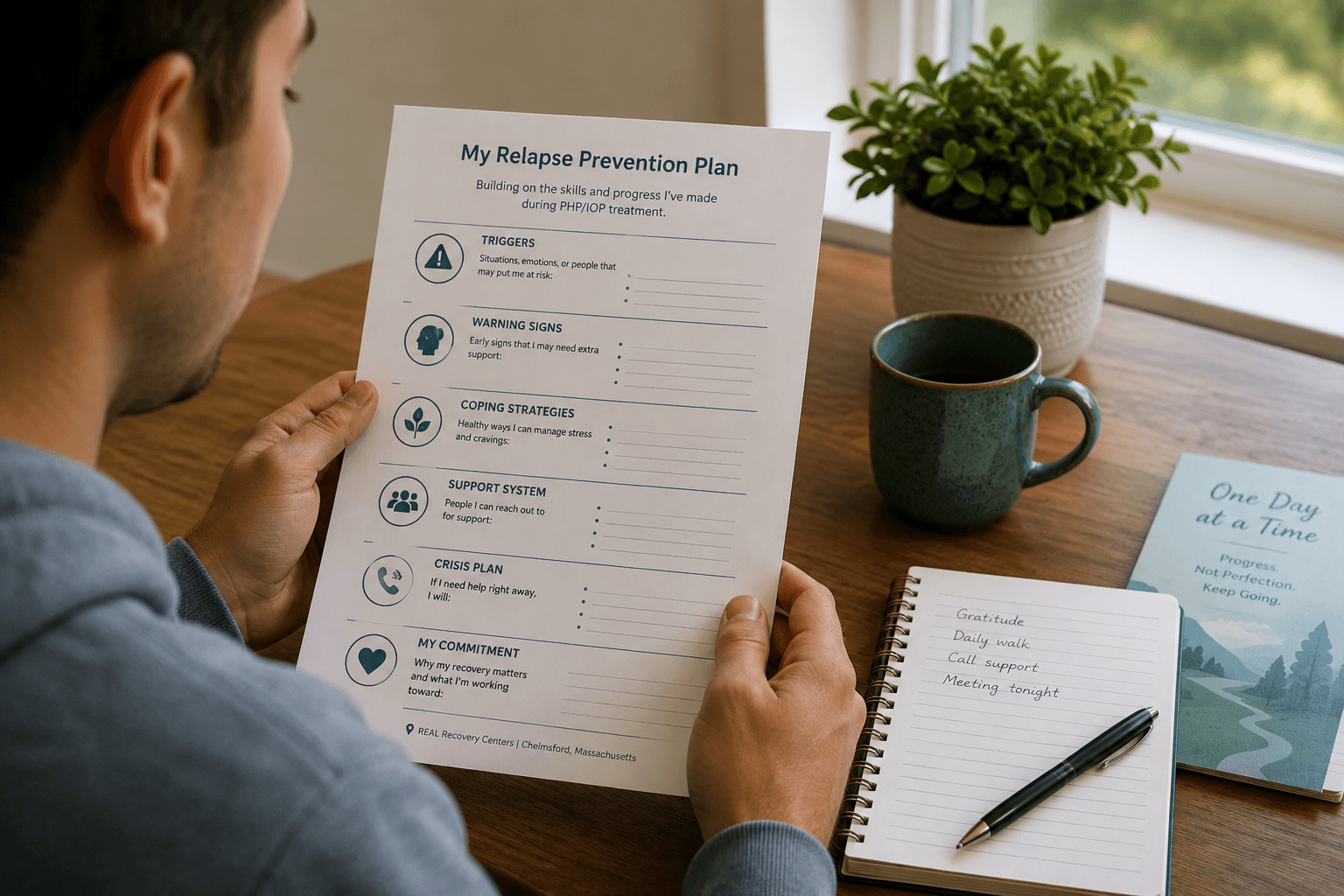
Managing high-risk transition periods requires specific strategies that account for these young adult vulnerabilities. Relapse prevention planning during this window can prevent years of progressively worsening use.

Why Peer Support Changes Everything
Sitting in a treatment group with people your parents’ age creates an automatic disconnect. They’re discussing retirement planning and their kid’s college tuition. You’re trying to figure out if you can afford your own apartment.
Research on young adult addiction recovery shows that high-risk friends decrease during treatment while low-risk friends increase. But this social network shift happens more effectively when treatment groups consist of age-matched peers. Studies show 43% better outcomes when young adults receive treatment with same-stage peers compared to mixed-age groups.
When everyone in your group is 22 to 27, the scenarios discussed are relevant to your life. How do you navigate a date without ordering drinks? What do you say when your college friends visit and want to go bar hopping like old times? How do you make new friends in a new city when your generation’s social life revolves around alcohol?
Nobody in your age group wants to discuss mortgage refinancing. Everyone understands the pressure of social media making it look like everyone else has their life together. The shared cultural references, the similar life challenges, and the common developmental stage create an immediate connection.
Group therapy designed for your developmental stage addresses topics that actually apply to you: managing FOMO, rebuilding identity after substance use defined your social life, navigating family dynamics when you’re technically an adult but still financially dependent.
The validation of shared experience matters. Hearing someone your age describe exactly what you’re going through removes the isolation. You’re not the only 24-year-old whose life derailed. You’re not uniquely failing at adulthood. Others in your peer group understand the specific pressures of your generation.
Young adult alumni networks through aftercare programs provide ongoing peer support after structured treatment ends. Continuing care and alumni support keep you connected to people who get it, who are navigating the same life stage sober, which reduces the isolation that leads to relapse.
What Young Adult Treatment Looks Like at Real Recovery Centers
Real Recovery Centers structures young adult treatment around your actual needs, not generic adult programming. Groups consist of people in the emerging adult stage, typically 18 to 25 years old, all navigating similar developmental tasks.
The program recognizes you’re building your identity while addressing addiction. Therapy includes career exploration, educational goal setting, and professional development. You’re not just stopping substance use. You’re figuring out who you are and who you want to become without substances at the center.
Family therapy addresses young adult-specific dynamics. How do you establish healthy independence from parents while still needing their support? How do families navigate the transition from adolescence to adulthood when addiction has disrupted normal development? How do you rebuild trust when you’re living under their roof again?
Real Recovery Centers offers specialized young adult approaches within our BSAS-licensed programs, recognizing that 18-25-year-olds have unique developmental needs. Our flexible IOP and PHP programs allow you to get treatment while maintaining work or school commitments. We accept most insurance plans. Call (978) 788-1870 to speak with someone who understands your generation.
The Chelmsford location is accessible from Boston, Cambridge, Somerville, and the greater Lowell area. We understand Massachusetts college culture because we work with recent graduates from BU, BC, Northeastern, UMass, and other area schools regularly. We get the specific pressures of the Boston young professional scene.
Scheduling accommodates young adult realities. IOP sessions happen in the evenings so you can work during the day. PHP allows structure without requiring you to quit your job or withdraw from school. Virtual options mean you can attend sessions from wherever you’re living or working.
Evidence-based approaches like dialectical behavior therapy teach emotional regulation skills particularly relevant for young adults whose prefrontal cortex is still developing. Cognitive behavioral therapy addresses the thought patterns that drive substance use, adapted for young adult experiences.
Family therapy specifically designed for emerging adults navigates the unique challenges of this life stage: establishing independence while needing support, rebuilding trust, managing financial dependence, and creating healthy adult relationships with parents.
Insurance navigation gets simplified. Most young adults are either on parent insurance plans or have entry-level job coverage. Understanding your insurance options doesn’t require figuring it out alone.
Building Identity in Recovery
At 23, your identity is still forming. That’s normal developmental psychology. Add substance use into the mix, and identity formation gets complicated. Who are you when you’re not high? What do you like to do when substances aren’t involved? What career path fits when you’ve been making decisions under the influence?
Young adult treatment integrates these questions into the recovery process. You’re not just addressing addiction. You’re building the foundation for adult life. That includes career exploration, financial planning basics, relationship skills, and professional development.
Standard adult treatment assumes identity is established. Career is set. The work is maintaining what exists. Young adult treatment recognizes you’re building from scratch. The person you’re becoming emerges through the recovery process.
This makes your age an advantage. Your brain’s neuroplasticity, the ability to form new connections and patterns, is higher now than it will be later. The habits you build in your twenties shape the trajectory of your life. Getting treatment now, while your brain is still highly adaptable, gives you decades of healthy adult life ahead.

Frequently Asked Questions About Young Adult Treatment
Am I too young for addiction treatment?
No. Young adults (18-25) have the highest rates of substance use disorders of any age group, with 7.5 million needing treatment. Your age makes you both more vulnerable to addiction and more responsive to treatment because your brain is still developing.
Will I be grouped with older adults in treatment?
Age-appropriate programs group you with peers in the same life stage, typically 18-25 year olds. Treatment with age-matched peers shows 43% better outcomes than with mixed-age groups because the issues addressed are relevant to your actual life.
Can I do treatment while working or in school?
Yes. Intensive outpatient programs are designed specifically to allow you to maintain work or school commitments while getting treatment. Sessions typically happen evenings or weekends, and virtual options provide additional flexibility.
How long does young adult addiction treatment take?
Initial intensive treatment (PHP or IOP) typically runs 6 to 12 weeks. Many young adults continue with ongoing therapy and support groups for six months to a year. Length depends on substance use severity and individual progress.
Will my parents be involved in my treatment?
At 18, you’re legally an adult and control your treatment decisions. However, family therapy often helps young adults establish healthy independence while repairing relationships. Involvement level is your choice, though insurance billing may require parent notification if you’re on their plan.
Your Age Is Your Advantage
Your prefrontal cortex isn’t done developing yet. That biological reality made you vulnerable to addiction. It also makes you more responsive to treatment than you’ll ever be again.
Neuroplasticity, your brain’s ability to rewire itself and form new patterns, is at its peak during young adulthood. The neural connections you build now, the habits you establish, and the coping strategies you learn will shape the next 60 years of your life.
Getting treatment at 23 means you don’t spend your twenties and thirties progressively getting worse. You don’t wake up at 35 realizing you lost a decade. You don’t accumulate the consequences that make recovery harder: criminal records, destroyed relationships, health problems, and career derailment.
Massachusetts has treatment resources specifically designed for your generation. Programs that understand that your concerns are different from someone in their forties. Groups where everyone is navigating the same life stage. Treatment that integrates career planning, identity formation, and relationship building because those are your actual developmental tasks.
The June transition is hard. You’re not supposed to have all the answers at 24. You’re allowed to be figuring it out. Getting help while you’re figuring it out isn’t failing at adulthood. It’s choosing to build the foundation right rather than spending years building on a broken one.
For Massachusetts young adults: You don’t have to navigate this alone. Real Recovery Centers’ young adult approaches in Chelmsford provide age-appropriate treatment while you maintain work or school. Contact us or call (978) 788-1870 to speak with someone who understands the specific challenges your generation faces.
For those outside Massachusetts: Virtual treatment options may be available for young adults depending on your state licensing regulations.
About Real Recovery Centers
Real Recovery Centers is a BSAS-licensed addiction treatment center in Chelmsford, Massachusetts, offering PHP, IOP, and outpatient programs for substance use and co-occurring disorders. Our evidence-based approach recognizes the unique developmental needs of young adults (18-25), providing age-appropriate treatment that addresses career development, identity formation, and peer support. We accept most major insurance plans and provide 24/7 admissions support at (978) 788-1870.
Treatment Programs: Partial Hospitalization Program (PHP) | Intensive Outpatient Program (IOP) | Outpatient Services | Virtual Treatment | Dual Diagnosis | Medication-Assisted Treatment (MAT) | Family Therapy | Young Adult Specialized Tracks
Serving: Greater Boston, Cambridge, Somerville, Lowell, Chelmsford, and surrounding Massachusetts communities with accessible treatment for young professionals and recent college graduates.

Mitchell Grant Cohen
Dr. Mitchell G. Cohen is a board-certified Internal Medicine specialist with over 34 years of experience in patient-centered healthcare. A graduate of Hahnemann University School of Medicine, Dr. Cohen completed his internship at the University Health Center of Pittsburgh, where he gained invaluable hands-on experience. He is also a certified addiction specialist, holding membership with the American Society of Addiction Medicine (ASAM).
Currently based in Nashua, NH, Dr. Cohen is affiliated with Saint Joseph Hospital, where he provides comprehensive care focusing on both internal medicine and addiction treatment. His expertise includes prevention, diagnosis, and management of adult diseases, as well as specialized care for individuals facing substance use disorders.
Dr. Cohen is committed to fostering open communication, ensuring his patients are fully informed and empowered to make confident decisions about their health and treatment options.