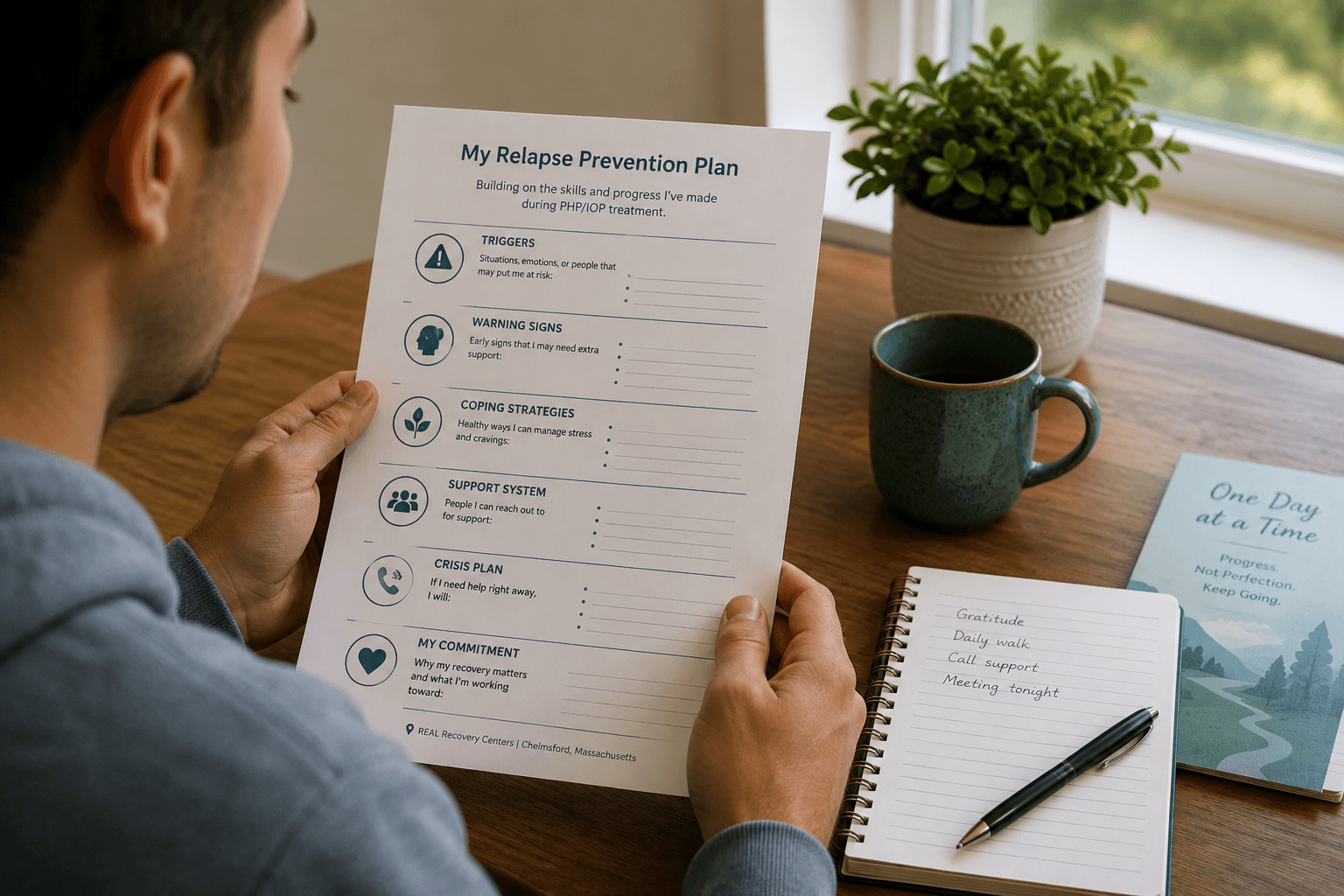

The hardest part of quitting fentanyl isn’t making the decision—it’s facing the fear of withdrawal. Understanding the fentanyl withdrawal timeline can give you the knowledge to move forward. Fentanyl withdrawal is challenging, but it’s survivable and temporary. With proper medical support, what seems impossible becomes manageable.
Medical Note: Fentanyl withdrawal can involve complications, especially with underlying health conditions. This article provides education, not medical advice. Real Recovery Centers in Chelmsford, Massachusetts, offers 24/7 medical assessments to determine your safest path forward.
Quick Facts: Fentanyl Withdrawal Timeline
- Potency: 50-100 times stronger than morphine, 50 times stronger than heroin
- Withdrawal Onset: 6-12 hours (illicit) or 12-36 hours (pharmaceutical)
- Peak Symptoms: Days 2-3 (36-72 hours) — most intense phase
- Acute Duration: 5-10 days total
- PAWS: 6-18 months with gradually improving symptoms
- Medical Detox Success: 40-60% vs. <5% home detox
- MAT Relief: Reduces symptoms by 70-90%
- Suboxone Timing: Wait 24-72 hours to avoid precipitated withdrawal
Why Fentanyl Withdrawal Differs from Other Opioids
Fentanyl is approximately 50 times more potent than heroin and 100 times stronger than morphine. This extreme potency creates profound physical dependence. The drug’s synthetic nature and high lipid solubility mean it stores in body fat, sometimes causing prolonged symptoms.
Most people using street drugs today unknowingly take fentanyl. If you’ve been using pressed pills sold as “Percocet 30s” or powder sold as heroin, you’re likely dependent on fentanyl. Understanding how to identify fentanyl’s characteristics can help. Learn more about opioid addiction treatment in Massachusetts.
Withdrawal Comparison Table
| Drug | Onset | Peak | Acute Duration | Intensity |
| Fentanyl | 6-36 hours | Day 2-4 | 5-10 days | Severe |
| Heroin | 6-12 hours | Day 1-3 | 5-7 days | Severe |
| Prescription Opioids | 8-24 hours | Day 3-5 | 5-10 days | Moderate-Severe |
The Fentanyl Withdrawal Timeline: Phase by Phase
Early Withdrawal (Hours 6-24)
Symptoms begin 6-12 hours after last illicit fentanyl use. This phase feels like a bad flu coming on; uncomfortable but not yet unbearable.
Physical symptoms include anxiety and restlessness, muscle aches, runny nose, sweating, difficulty sleeping, and mild cravings. These early withdrawal symptoms are similar to other opioids but onset more quickly.
Peak Withdrawal (Days 1-4) – The Hardest Days
Days 2-3 represent the worst of acute withdrawal. Symptoms reach maximum intensity, and this is when most people relapse without support.
Physical symptoms intensify: severe muscle and bone pain, intense sweating and chills, nausea and vomiting, diarrhea, rapid heartbeat, complete insomnia, and severe restless legs.
Psychological crisis: overwhelming cravings, severe anxiety and depression, hopelessness, and suicidal thoughts for some.
This is when medication-assisted treatment makes the biggest difference. Suboxone initiation typically occurs between 24 and 72 hours after last use, reducing symptoms by 70-90% for most people.
Continued Acute Withdrawal (Days 5-10)
Physical symptoms persist at moderate intensity with ongoing muscle aches, profound fatigue, improving sleep, and returning appetite. What surprises most is deepening depression as physical symptoms lessen. Anhedonia, inability to feel pleasure, becomes dominant. This phase highlights why continuing care through Intensive Outpatient treatment becomes essential.
Post-Acute Withdrawal Syndrome (PAWS) – Weeks 2+
PAWS brings intermittent symptoms: waves of fatigue, sleep disturbances, depression and anhedonia, brain fog, mood swings, and episodic cravings. Good days alternate with difficult days. Most people see significant improvement by 3-6 months, though some symptoms persist up to 12-18 months.
PAWS happens because fentanyl has rewired your brain’s reward system. Neural pathways need months to rebuild through neuroplasticity. For Massachusetts residents, winter depression can compound PAWS symptoms.
Managing PAWS requires medication-assisted treatment, therapy using Cognitive Behavioral Therapy or Dialectical Behavior Therapy, exercise, group therapy, and patience. Many benefit from trauma-informed addiction treatment.

The Role of Medication-Assisted Treatment
Buprenorphine (Suboxone) is the gold standard for fentanyl withdrawal. It’s a partial opioid agonist that reduces symptoms by 70-90%, dramatically decreases cravings, and allows the brain to heal. When used as prescribed, Suboxone has a strong safety profile.
Critical timing: Starting Suboxone too soon causes precipitated withdrawal—instant, severe symptoms when buprenorphine forcibly displaces fentanyl from receptors. Proper timing requires waiting 24-72 hours after last use, having active withdrawal symptoms present, and medical supervision. Learn more about how long Suboxone stays in your system.
Why Medical Detox Improves Outcomes
Statistics: Self-detox success rates are below 5% for achieving 30 days abstinence. Medical detox with continuing treatment achieves 40-60% sustained recovery rates.
Outcome Comparison
| Measure | Home Detox | Medical Detox + Treatment |
| Completion | <5% | 85-95% |
| 30-Day Abstinence | <5% | 40-60% |
| Symptom Severity | 9-10/10 | 2-4/10 with MAT |
| Safety | Higher risk | 24/7 monitoring |
Medical detox provides 24/7 monitoring, proper medication management, IV fluids when needed, immediate intervention for complications, and smooth transitions to Partial Hospitalization or IOP programs.
You should seek medical detox if you have: heart disease, a seizure history, co-occurring alcohol/benzodiazepine dependence, mental health conditions, are pregnant, have no support system, or have had previous failed attempts. Understanding why relapse risk increases during vulnerable periods helps recognize when additional support is needed.
According to the World Health Organization’s clinical guidelines, medically supervised withdrawal management is recommended for all opioid dependence due to severe discomfort and high relapse risk. Explore the full range of addiction treatment programs in Massachusetts to find the right level of care for your specific situation and needs.

Frequently Asked Questions
How long does fentanyl withdrawal last?
Acute withdrawal lasts 5-10 days with peak symptoms at 36-72 hours (days 2-3). Post-acute withdrawal syndrome (PAWS) can continue for 6-18 months with gradually decreasing intensity.
According to SAMHSA, acute physical withdrawal from fentanyl typically lasts 5-10 days. Symptoms peak in intensity 36-72 hours after the last dose. However, the complete withdrawal experience extends much longer. Post-acute withdrawal syndrome (PAWS) involves primarily psychological symptoms, depression, anhedonia (inability to feel pleasure), fatigue, brain fog, and mood swings that can persist for 6-18 months.
The timeline varies significantly based on duration of use, dose and frequency, method of administration, and individual factors. With medication-assisted treatment using buprenorphine (Suboxone), withdrawal symptoms are reduced by 70-90%, and the duration of both acute and post-acute symptoms is significantly shortened.
What’s the worst day of fentanyl withdrawal?
Days 2-3 (48-72 hours) are typically worst for physical symptoms, with all effects reaching peak intensity. However, many find weeks 2-4 equally challenging when severe depression sets in despite physical improvement.
Medical research indicates withdrawal symptoms peak between 36 and 72 hours after the last dose. This is when physical symptoms reach maximum intensity: severe muscle and bone pain, intense nausea and vomiting, diarrhea, profuse sweating, rapid heartbeat, complete insomnia, and restless legs. This 48-72 hour window represents the highest relapse risk period.
However, many people report that the psychological symptoms during weeks 2-4 are equally or more challenging. As physical symptoms improve, severe depression and anhedonia become dominant. This emotional emptiness surprises people who expected to feel normal once physical pain resolved, making it a major relapse trigger.
Can fentanyl withdrawal cause death?
Rarely fatal directly in healthy individuals. However, indirect risks include severe dehydration, cardiovascular stress, and most critically, fatal overdose from relapse when tolerance has dropped.
According to the National Library of Medicine and MedlinePlus, opioid withdrawal, including fentanyl withdrawal, is typically not life-threatening in otherwise healthy individuals, unlike alcohol or benzodiazepine withdrawal, which can cause fatal seizures. However, several indirect medical complications can become serious.
Dangerous complications include severe dehydration from vomiting and diarrhea causing electrolyte imbalances, aspiration risk from vomiting while sedated, cardiovascular stress on those with heart conditions, and polysubstance withdrawal if also dependent on alcohol or benzodiazepines.
The greatest danger is relapse and overdose. After several days without fentanyl, tolerance drops dramatically. Using the same dose previously used regularly can easily cause fatal overdose. This represents the leading cause of death related to withdrawal attempts.
How does Suboxone help with fentanyl withdrawal?
Buprenorphine (Suboxone) is considered the gold standard medication for fentanyl withdrawal and ongoing recovery. It’s a partial opioid agonist that activates the same opioid receptors as fentanyl but only partially, with a “ceiling effect” that prevents euphoria at therapeutic doses.
Research indicates buprenorphine reduces withdrawal symptoms by 70-90% in most patients. It satisfies physical dependence without producing the high associated with fentanyl. Benefits include dramatic reduction in cravings, prevention of withdrawal symptoms, blocking effects of other opioids if used, and allowing gradual brain healing through neuroplasticity.
Critical timing matters with fentanyl. Starting buprenorphine too soon causes precipitated withdrawal—rapid onset of severe symptoms when buprenorphine forcibly displaces fentanyl from opioid receptors. Proper timing requires waiting 24-72 hours after last fentanyl use, having active withdrawal symptoms present, and medical supervision to ensure safe initiation.
Should I detox from fentanyl at home?
Medical detox is strongly recommended for fentanyl. Statistics show self-detox success rates below 5% for achieving even 30 days of abstinence, compared to 40-60% sustained recovery rates with medical detox and continuing treatment.
Medical detox provides 24/7 medical monitoring, proper medication management including Suboxone initiation, IV fluids to prevent dangerous dehydration, no access to substances during peak craving periods, and smooth transition to continuing care programs. The safety, comfort, and success factors make medical detox the evidence-based recommendation.
You should seek medical detox if you have heart disease, a seizure history, co-occurring alcohol or benzodiazepine dependence, mental health conditions, especially with suicidal ideation, pregnancy, no support system, or previous failed home detox attempts. Even without these risk factors, the World Health Organization recommends medically supervised withdrawal management for opioids due to severe discomfort and high relapse risk.
What is precipitated withdrawal?
Precipitated withdrawal is the sudden, severe onset of withdrawal symptoms caused by taking buprenorphine (Suboxone) too soon after using fentanyl. This occurs because buprenorphine has higher binding affinity for opioid receptors than fentanyl. When taken too early, buprenorphine forcibly displaces fentanyl from these receptors, causing instant withdrawal; symptoms go from 0 to 10 out of 10 within minutes to hours.
To avoid precipitated withdrawal: wait 24-72 hours minimum after last fentanyl use (some individuals need longer); have active withdrawal symptoms present (never take if you still feel “okay”); achieve a Clinical Opiate Withdrawal Scale (COWS) score of 11 or higher; start with tiny test doses under medical supervision; and use micro-dosing protocols for high-risk cases.
Medical guidance from trained addiction medicine professionals is essential for safe buprenorphine initiation and avoiding this painful complication.
Understanding the Fentanyl Withdrawal Timeline After Medical Detox
Thousands have successfully navigated fentanyl withdrawal and built lasting recovery. You don’t have to suffer needlessly; medical support dramatically reduces withdrawal severity.
Key takeaways: Fentanyl withdrawal is severe but temporary, medication-assisted treatment reduces suffering by 70-90%, medical detox provides significantly better outcomes, continuing care is essential for sustained recovery, and your brain will heal with proper time and support.
Contact Real Recovery Centers for 24/7 support:
- Free confidential assessment anytime
- Insurance verification within hours (BCBS, Aetna, Cigna, MassHealth)
- Coordination with medical detox facilities
- Immediate admission to continuing care programs
- Support for building a sustainable recovery plan
You don’t have to face this alone. Your recovery story can begin today.
Real Recovery Centers serves Chelmsford, Greater Lowell, and communities throughout Massachusetts. We provide compassionate, evidence-based care at our Chelmsford location. Don’t let fear keep you trapped; the support you need is available right now.
Medical Disclaimer: This article provides educational information only. If experiencing fentanyl withdrawal or considering detox, consult qualified healthcare providers immediately. Real Recovery Centers offers 24/7 medical assessments.
Emergency Resources:
- Call 911: If experiencing chest pain, seizures, or suicidal thoughts
- SAMHSA National Helpline: 1-800-662-HELP (4357)
- Massachusetts Substance Abuse Helpline: 1-800-327-5050
- Real Recovery Centers: Contact Us – 24/7
Massachusetts Good Samaritan Law: Provides legal protection for those seeking emergency medical help for overdose situations.