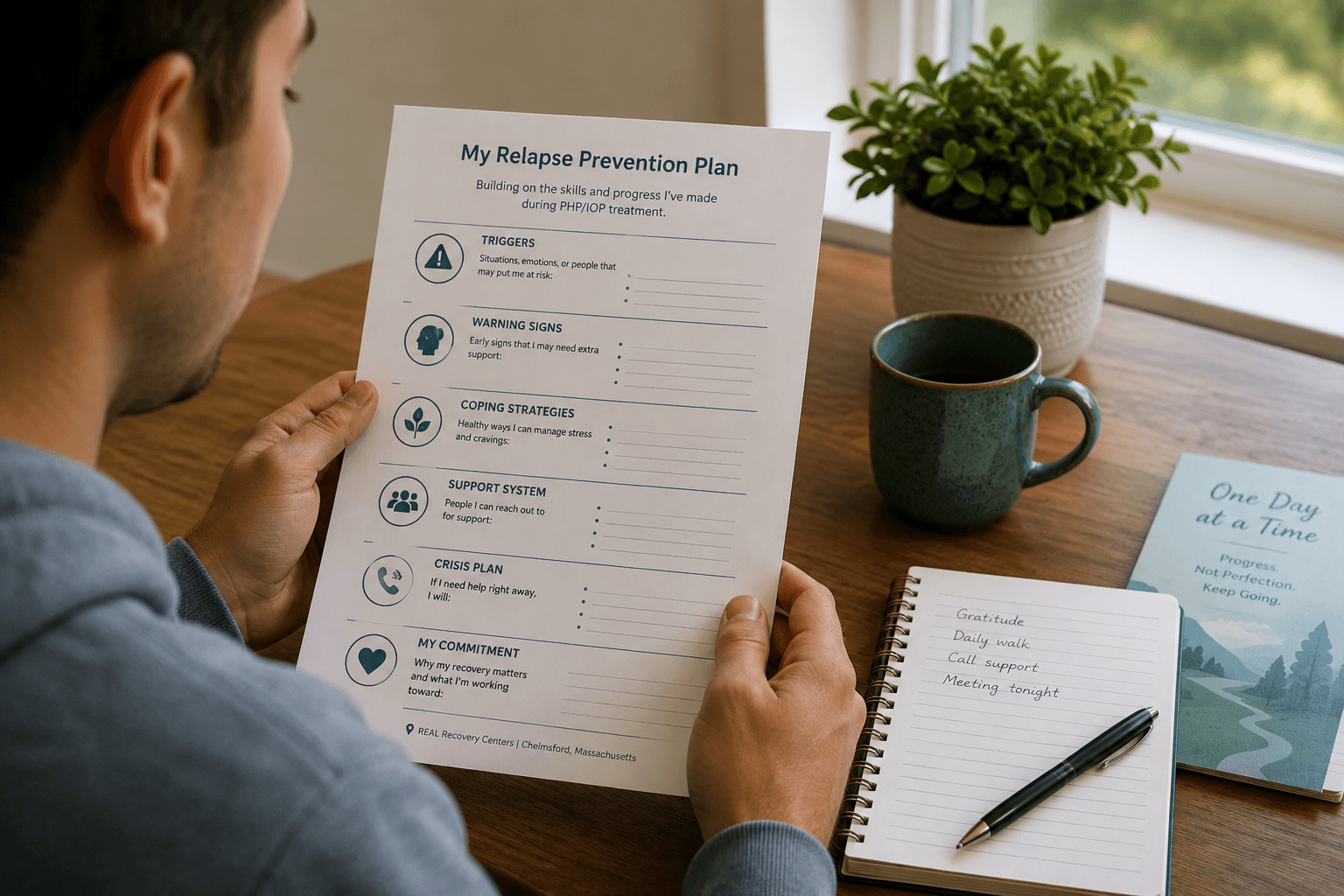
Recovery stays strong through small, steady actions—not bursts of motivation. The FREE Flame Keeper Toolkit gives you a simple daily system to protect your sobriety, track habits, and stay connected to purpose even when life gets hard.
The Flame Keeper Toolkit was designed for people in recovery who want structure, accountability, and long-term stability. It includes a daily check-in system, monthly habit tracker, trigger awareness log, purpose builder, weekly reflection pages, and an emergency relapse-prevention plan.
These tools help you stay aware of emotional warning signs, strengthen routines that protect sobriety, and rebuild confidence through consistent action. Even five minutes per day can make recovery stronger and more sustainable.
Get Your Free Toolkit
Download the Flame Keeper Toolkit instantly and start building a simple daily system that keeps your recovery steady and supported.
Most relapses don’t come from one big moment. They come from small habits drifting out of alignment—missed meetings, isolation, emotional avoidance, and loss of purpose. Structure protects recovery.
Consistency Builds Stability
Small daily actions retrain your brain and build trust in yourself.
Connection Prevents Isolation
Regular support keeps you grounded when emotions run high.
Purpose Fuels Motivation
Working toward meaningful goals strengthens long-term sobriety.
Awareness Prevents Relapse
Tracking triggers helps you act early instead of reacting late.
What You’ll Track Inside the Toolkit
Each page is designed to be simple, realistic, and repeatable so recovery stays active—not passive.
Daily Flame Check-In
Track your emotional state, one recovery action, and one connection each day. This simple habit keeps you honest with yourself and helps you notice warning signs before they grow into bigger problems.
Effective Therapy for Lasting Change
Build routines that stabilize sleep, mood, and motivation. When healthy habits become consistent, they create structure that protects recovery and reduces impulsive decisions during stressful periods.
Integrated Support for Mental Health
Identify situations, emotions, or environments that increase cravings. Tracking patterns helps you understand what puts your recovery at risk and what coping tools actually work in real life.
Medication Support for Recovery
Recovery is stronger when you are building a meaningful life. These pages help you set small weekly goals, stay focused on long-term growth, and create direction that keeps you motivated.
Planning for a Sober Future
When cravings or overwhelm hit, having a clear plan matters. This page helps you identify people to call, safe places to go, and steps to take so you can stay grounded and protect your sobriety.
Small Actions Create Big Change
Recovery doesn’t stay strong through willpower alone. It stays strong through daily structure—checking in with yourself, staying connected, and tracking habits that protect your mental and emotional health.
The Flame Keeper Toolkit helps you build that structure in a realistic way. Even on hard days, small actions keep momentum alive and reduce the risk of relapse.
The system is simple. Spend two minutes each day checking in, tracking one recovery action, and noting your emotional state. Once per week, review your progress and adjust your goals.
You don’t need perfection. You need consistency. Over time, these small steps strengthen emotional awareness, improve decision-making, and build confidence in your recovery.
Use It to Track:
Daily emotional check-ins Support meetings or calls Purpose-building actions Healthy habits Trigger patterns Weekly progress
If your recovery feels fragile, inconsistent, or overwhelming, REAL Recovery Centers offers structured programs that help individuals interrupt destructive patterns and build lasting sobriety.
Our team provides evidence-based treatment, peer support, and practical tools that help people rebuild their lives with stability, accountability, and hope.
“REAL Recovery helped me understand the root causes of my addiction. The detox process was comfortable, and the aftercare has been invaluable in staying sober. It’s a place that truly cares about your recovery.”
Noah P.
“REAL Recovery Centers truly changed my life. The staff is compassionate and attentive, and the programs are tailored to your needs. I felt supported every step of the way. Highly recommend!”
Jewell Gardner
As a mother, I am incredibly grateful for the compassion and attentiveness this agency has shown in supporting my son’s recovery journey. For any parent watching their child battle such hardships, I want you to know that there is hope, and this agency is a place where that hope can flourish. I truly cannot thank them enough.
Rachel Silva
Chelmsford isn’t ready for the moves this facility is about to make. The staff is amazing and extremely compassionate, they are going to help so many people and make such a difference. Can’t wait!
Kevin T
Absolutely wonderful staff. Having gone to numerous treatment centers, I can honestly say that the staff and owners here are some of the most thoughtful and kind individuals I’ve come across. They truly care about the individual and it shows in their dedication to the client.
Frequently Asked Questions
Is the Flame Keeper Toolkit really free?
Yes. This toolkit is a free resource created by REAL Recovery Centers to help people build stronger recovery habits and prevent relapse.
Who is this toolkit for?
Anyone in recovery from alcohol or drug addiction who wants more structure, consistency, and purpose in their daily routine.
Do I need to be in treatment to use it?
No. It can be used independently or alongside therapy, meetings, or treatment programs.
What if I need more help than a toolkit?
REAL Recovery Centers offers structured programs designed to help individuals stabilize, rebuild routines, and create lasting sobriety.
Every level of addiction care sounds reasonable when you read about it online, which is exactly the problem. Here's the actual clinical framework Massachusetts providers
Finishing a structured program feels like an ending, but it's the riskiest transition in early recovery. Here's what a real relapse prevention plan looks like