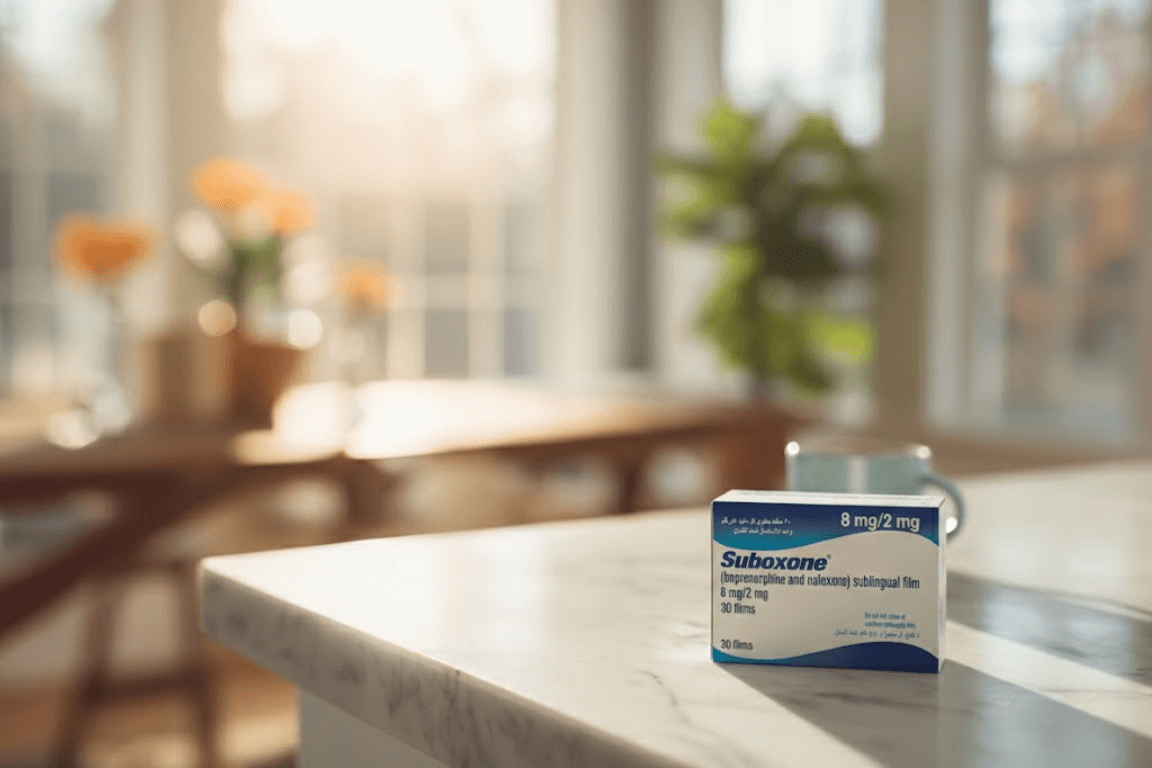

Suboxone can be a life-changing medication for people recovering from opioid use, but it’s common to have questions about how long it stays in your system. Whether you’re preparing for a drug test, trying to understand your treatment better, or supporting a loved one, knowing the basics can help you feel more confident and informed.
This guide breaks down detection times in simple terms, explains how the medication works, and shows how outpatient support can help you use Suboxone safely.If you want a deeper look at Suboxone safety, you may also find it helpful to read our guide on understanding Suboxone overdose risks.
What Is Suboxone and How Does It Work?
Suboxone is a combination of buprenorphine and naloxone.
- Buprenorphine reduces withdrawal symptoms and cravings.
- Naloxone helps prevent misuse.
It is most often prescribed in outpatient settings as part of a medication-assisted treatment plan. Suboxone helps stabilize the body so recovery feels more manageable.
People starting Suboxone often experience physical adjustments similar to those described in our article on common drug withdrawal symptoms, which offers guidance on staying safe during early recovery.
How Long Does Suboxone Stay in Your System?
Suboxone can stay in your system longer than many people expect because buprenorphine has a long half-life. A half-life is the time it takes for half of the medication to leave your body.
Most people still have Suboxone in their system for several days. Depending on the test type, it may remain detectable even longer.
Suboxone stays in your system for about 2 to 6 days for most people, but detection times vary by test type. In urine, Suboxone is usually detectable for up to 7 days, while hair tests may detect it for up to 90 days. Your metabolism, dosage, and how long you’ve been taking it all affect how long it remains in your body.
Suboxone Detection Times by Test Type
While many standard drug tests do not automatically screen for Suboxone, extended panels can detect buprenorphine. Here’s what each test type shows.
Urine Tests
Urine testing is the most common method.
Detection time: 3 to 7 days
Blood Tests
Blood tests show the smallest detection window because Suboxone leaves the bloodstream faster.
Detection time: 24 to 48 hours
Saliva Tests
Saliva tests are less common but sometimes used in clinical or legal settings.
Detection time: 1 to 3 days
Hair Tests
Hair testing shows the longest window.
Detection time: Up to 90 daysIf you’re exploring different testing options or detox myths, our article on the Certo drug test method may help answer some related questions.
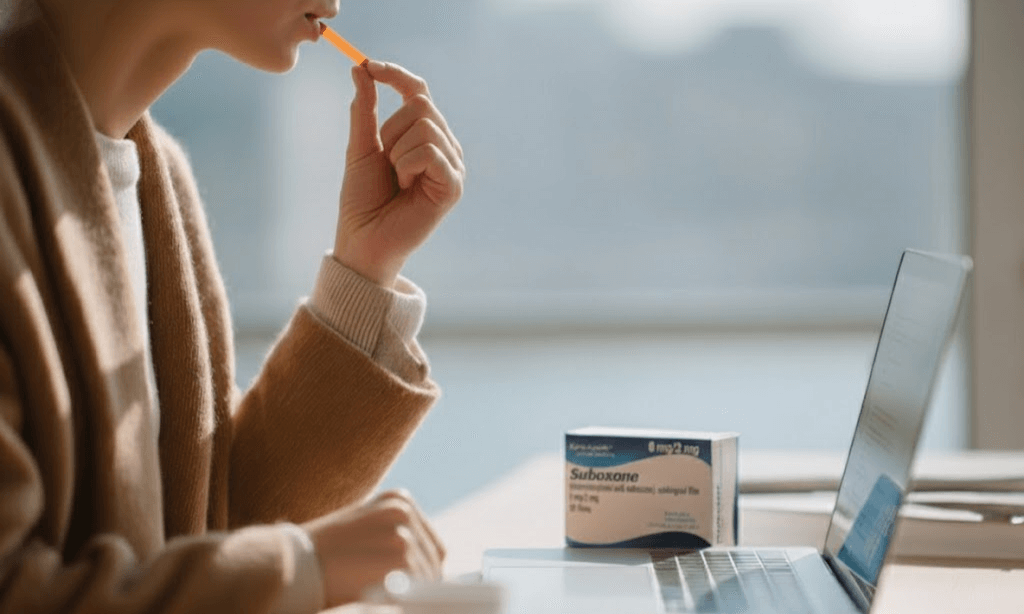
Why Suboxone Lasts Longer Than Expected
Suboxone stays in the body longer because:
- Buprenorphine binds strongly to opioid receptors
- The medication stores in body tissues and releases slowly
- Regular dosing creates a longer-lasting effect
This slow release is part of why Suboxone helps stabilize cravings and supports long-term recovery.
Factors That Affect Suboxone Detection Times
Not everyone processes medication the same way. Suboxone may remain detectable for longer if you:
- Have a slower metabolism
- Have a liver condition
- Take higher daily doses
- Have used Suboxone for a long period
- Are dehydrated
- Have a higher body fat percentage
These differences are normal. They simply explain why detection timelines vary.
Does Suboxone Show Up on Standard Drug Tests?
Most basic drug tests do not include buprenorphine.
A testing provider must order a specific buprenorphine panel to detect Suboxone.
If you take Suboxone with a prescription, it is appropriate to let the testing provider know when needed.
If you struggle with drowsiness while using opioids or medication, our guide on managing drug-related sleepiness offers helpful insight.
Safety Tips for Using Suboxone in Recovery
Suboxone is considered safe when taken as prescribed. Keep these tips in mind:
- Follow your prescribed dose
- Avoid mixing Suboxone with alcohol or sedatives
- Do not stop taking Suboxone suddenly
- Contact your clinician if you feel unwell or overly sleepy
- Ask questions when something feels unclear
Support can make a big difference in staying consistent and safe during treatment.
When to Seek Additional Support in Massachusetts
If you are having trouble managing cravings, staying consistent with your dose, or simply want more guidance during recovery, structured outpatient care can help. Many people find that talking with a support team makes it easier to stay motivated and understand how Suboxone fits into their healing process.
At Real Recovery Centers, the Outpatient Program offers steady, flexible support while you continue daily responsibilities. If you want longer-term guidance, the Aftercare Support program helps you stay connected and supported after your primary program ends.
If you want a clearer picture of all available options, you can explore Addiction Treatment Programs or review Substance Abuse Treatment in Massachusetts to understand what level of care feels right for you.

Speak With a Massachusetts Suboxone-Support Specialist
If you want guidance while using Suboxone or feel unsure about what support fits your needs, our team in Chelmsford is here to help. You can talk with a team member, ask questions, and get a confidential assessment at your own pace.