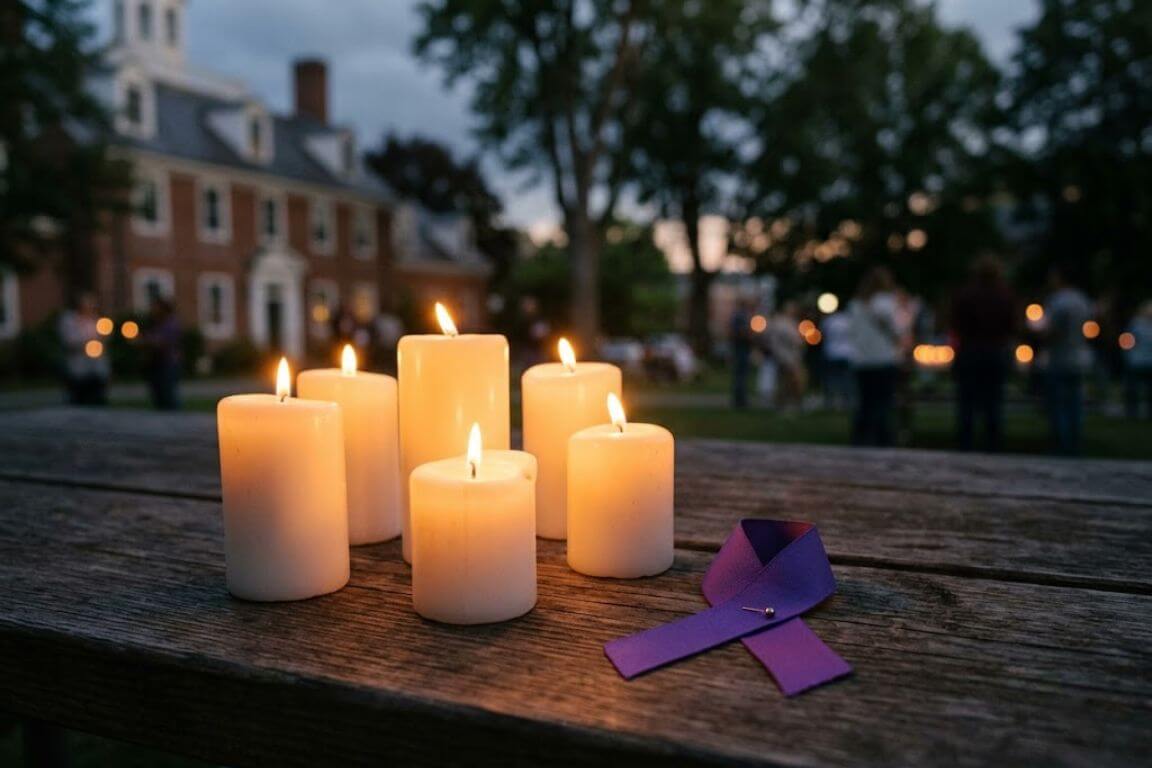
August 31 is International Overdose Awareness Day, a day set aside to remember people lost to overdose and to focus attention on preventing the next one.
This year’s theme is “25 Years On. Still Needed,” marking a quarter century since the day was first observed in 2001. The name says something honest: this day shouldn’t still be necessary, but it is.
The data from Massachusetts this year gives real reason for both concern and cautious hope.
If you’re reading this because you’re worried about someone or because you lost someone, this article is written plainly and directly, with the facts and the practical information first. If you’re also wondering what substance use disorder treatment actually looks like in Massachusetts, that information is here whenever you’re ready, with no pressure attached.
What the Theme Means This Year
International Overdose Awareness Day exists to remember those lost to overdose, support the people grieving them, and push for evidence-based prevention rather than stigma. Twenty-five years after the day began, organizers chose “25 Years On. Still Needed” specifically because overdose remains preventable and requires ongoing, active effort.
The day is separate from National Recovery Month, held every September, though both point Massachusetts residents toward the same treatment resources.
That framing matters for what follows. Awareness only helps if it leads somewhere.
The Massachusetts Data, Stated Plainly
Massachusetts opioid-related overdose deaths fell 36 percent in 2024 compared to 2023, according to the state Department of Public Health, reaching the lowest level since 2013. Early estimates for 2025 point to a further 27 percent decline, which would put the state’s opioid-related deaths under 1,000 for a full year for the first time in more than a decade.
That is a genuinely significant public health shift, and it followed a 10 percent decline the year before. Two consecutive years of decline reflect sustained investment in treatment, harm reduction, and recovery support across the state.
For comparison, Massachusetts recorded a record 2,357 opioid-related overdose deaths in 2022. The scale of the recent decline only makes sense against that backdrop: a real reversal of a trend that had worsened for years.
None of this means the crisis is over. State officials have been direct about that themselves, and the honest way to hold both facts at once is that progress is real and continued effort is still necessary.
What’s Actually Driving the Decline
Massachusetts has made specific, measurable investments that public health officials point to as contributing factors.
In fiscal year 2025 alone, the state funded more than 150,000 naloxone kits for community organizations and over 10,000 for first responders, along with nearly 400,000 fentanyl test strips distributed for community use. The state also supports 39 peer-recovery support centers serving more than 13,000 individuals and funds SafeSpot, a virtual overdose monitoring hotline people can call while using alone.
These aren’t abstract line items. Each one is a specific, practical tool a family or an individual can use right now.
Why Stigma Still Costs Lives
Public health officials have pointed to reduced stigma as part of what’s allowing these prevention tools to actually reach people, not just exist on paper.
A person who fears judgment is less likely to carry naloxone openly, less likely to call 911 during someone else’s overdose, and less likely to ask a pharmacist a direct question about a standing order. None of that fear changes the medical reality of an overdose.
It just changes whether someone gets help in time.
Treating substance use disorder, including cases complicated by co-occurring anxiety, depression, or other mental health conditions, as the medical condition it is, rather than a moral failing, isn’t just a matter of compassion. It’s a practical factor in whether the tools described in this article actually get used when they’re needed.
How to Get Naloxone in Massachusetts Right Now
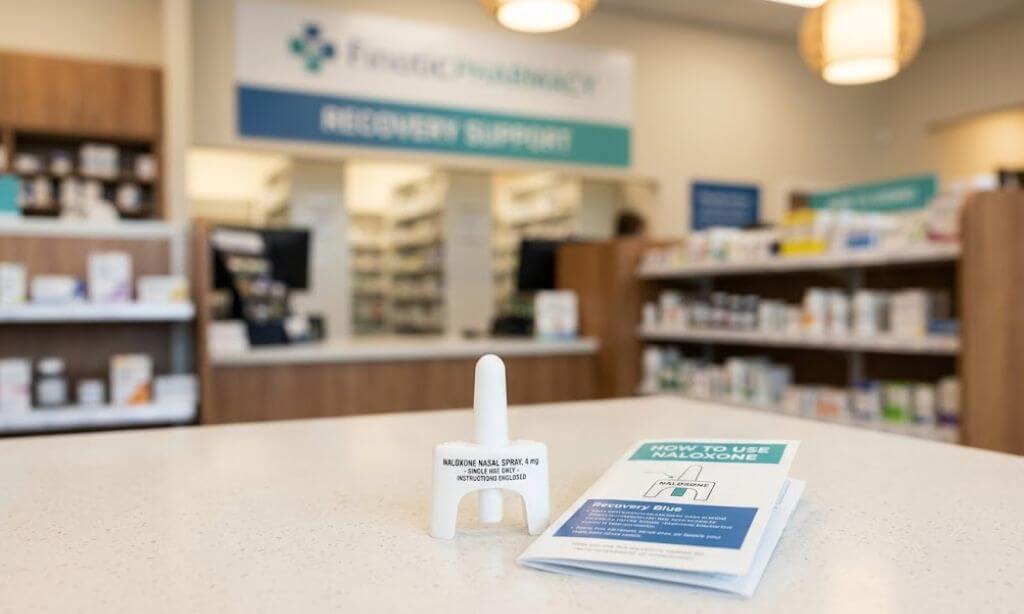
Naloxone, commonly known by the brand name Narcan, reverses an opioid overdose when administered in time, and getting it in Massachusetts doesn’t require navigating a complicated system.
Every licensed pharmacy in Massachusetts must maintain a continuous supply, and you can get it three ways: with a doctor’s prescription billed to insurance, through the state’s no-prescription standing order, or over the counter, available since 2023.
The over-the-counter route isn’t billable to insurance, but MassHealth and many other insurers cover naloxone obtained through a prescription or the standing order. There’s no state requirement to show identification when requesting naloxone under the standing order, and you don’t need to be the person at risk yourself.
A parent, partner, roommate, or friend of someone who uses opioids can request it on that basis alone.
If cravings or fear of withdrawal are part of what’s keeping someone from stopping opioid use, medication-assisted treatment addresses that directly rather than relying on willpower alone. Our BSAS-licensed MAT program pairs FDA-approved medication with counseling inside flexible outpatient treatment schedules that work around a job or family responsibilities, and we can verify your insurance coverage before you commit to anything.
Call (978) 788-1870 any time to talk through options for yourself or someone you love.
What to Do If You Witness an Overdose
Signs of an opioid overdose include slow or stopped breathing, blue or gray lips or fingertips, and unresponsiveness to a loud voice or firm sternum rub. If you see these signs, call 911 immediately.
If you have naloxone, administer it according to the instructions on the package, and repeat after a few minutes if there’s no response. Stay with the person, and if they aren’t breathing, perform rescue breathing if you’re trained to do so.
Naloxone wears off faster than many opioids do, which means a person can seem stable and then stop breathing again once it wears off. This is the main reason calling 911 is not optional even after naloxone works, since ongoing medical monitoring is what gets someone through the following hours safely.
Massachusetts law, M.G.L. c. 94C, § 34A, protects both you and the person overdosing from being charged with drug possession when the evidence for that charge came directly from seeking medical help. This protection doesn’t extend to other charges like trafficking or outstanding warrants, but for the possession concern that stops many people from calling, it’s a real legal protection, not just a suggestion.
If You’re Grieving Someone Lost to Overdose
If this day is landing differently for you because you’ve already lost someone, none of the data above changes what that loss means.
Massachusetts’ Learn to Cope network and similar peer-led support groups exist for families navigating grief connected to substance use, offering a space where that particular loss is understood without needing to be explained. You don’t have to carry that alone.
Grief connected to overdose often carries a specific weight, tangled with stigma, unresolved conflict, or the pain of wondering whether something could have changed the outcome. That weight is real, and it deserves the same care as any other profound loss.
Frequently Asked Questions
What is International Overdose Awareness Day?
It’s a global day observed every August 31 to remember people lost to overdose, support those grieving, and raise awareness about evidence-based overdose prevention. 2026 marks 25 years since the day began in 2001.
Are overdose deaths in Massachusetts going up or down?
They’re declining significantly. State data shows a 36 percent drop in opioid-related overdose deaths in 2024, with early 2025 estimates showing a further 27 percent decline, though officials caution the crisis is not over.
Where can I get naloxone (Narcan) in Massachusetts?
Any licensed retail pharmacy in the state must carry it. You can get it by prescription, through the state’s no-prescription standing order, or over the counter without insurance since 2023.
What should I do if I witness an overdose?
Call 911 immediately, administer naloxone if you have it, stay with the person, and perform rescue breathing if you’re trained to. Massachusetts law protects you and the person overdosing from possession charges connected to seeking that help.
Am I protected by law if I call 911 during an overdose?
Massachusetts’ Good Samaritan Law protects you from being charged with drug possession specifically when the evidence came from seeking medical assistance, though it doesn’t cover other charges like trafficking or outstanding warrants.
Getting Started

If you or someone you love is struggling with opioid use, the Massachusetts Substance Use Helpline (1-800-327-5050) offers free, confidential referrals to treatment and recovery resources across the state, and SafeSpot (1-800-972-0590) provides support if someone is using alone and wants another person aware in case of emergency. If someone you love is further along in recovery, aftercare and ongoing support programs can help protect the progress they’ve already made.
If you’re in Massachusetts and ready to talk about treatment options, call Real Recovery Centers at (978) 788-1870 or reach out through our contact page. If you’re outside Massachusetts, the national SAMHSA helpline (1-800-662-4357) can connect you with resources in your own state.
Awareness matters, but it’s the follow-through, a call made, a kit picked up, or a conversation finally had that actually saves a life. Twenty-five years on, that’s still the point.

Mitchell Grant Cohen
Dr. Mitchell G. Cohen is a board-certified Internal Medicine specialist with over 34 years of experience in patient-centered healthcare. A graduate of Hahnemann University School of Medicine, Dr. Cohen completed his internship at the University Health Center of Pittsburgh, where he gained invaluable hands-on experience. He is also a certified addiction specialist, holding membership with the American Society of Addiction Medicine (ASAM).
Currently based in Nashua, NH, Dr. Cohen is affiliated with Saint Joseph Hospital, where he provides comprehensive care focusing on both internal medicine and addiction treatment. His expertise includes prevention, diagnosis, and management of adult diseases, as well as specialized care for individuals facing substance use disorders.
Dr. Cohen is committed to fostering open communication, ensuring his patients are fully informed and empowered to make confident decisions about their health and treatment options.